
- You are here:
- Home »
- real estate blogs
Tag Archives for " real estate blogs "

Complete Guide to Copywriting in Real Estate
Copywriting in Real Estate sounds hard; dificult even but now if you know how. Here’s the complet guide. Grab a coffee and take notes.
Did you know that homes with persuasive listing descriptions can sell for up to 6 percent more than those with standard copy? Words do more than fill space in real estate—they spark emotions and help buyers imagine their next chapter. Clear, intentional copywriting can change a simple listing into an invitation to dream, setting agents apart and driving stronger interest in every property featured.
Table of Contents
- Copywriting In Real Estate Defined And Debunked
- Types Of Real Estate Copywriting Services
- How Effective Copywriting Drives Sales And Visibility
- Seo Strategies For Local Real Estate Markets
- Common Copywriting Mistakes Real Estate Agents Make
Key Takeaways
| Point | Details |
|---|---|
| Emotional Connection | Real estate copywriting should create compelling narratives that connect emotionally with potential buyers to inspire action. |
| Targeted Strategies | Effective messaging tailored to specific audiences enhances engagement and drives property inquiries, especially in niche markets like luxury real estate. |
| SEO Importance | Implementing local SEO strategies, including keyword optimization and community content, is essential for increasing online visibility in regional real estate markets. |
| Common Pitfalls | Avoid generic descriptions and overuse of jargon; instead, craft personalized, active narratives that resonate with buyers’ aspirations and needs. |
Copywriting in Real Estate Defined and Debunked
Real estate copywriting is the strategic art of crafting persuasive written content designed to transform property listings from bland descriptions into compelling narratives that inspire potential buyers to take action. According to research from copywriting experts, this specialized form of writing goes far beyond simply listing property features – it’s about creating an emotional connection that highlights the lifestyle potential of a property.
Effective real estate copywriting focuses on three critical elements: showcasing the property’s unique value proposition, painting a vivid picture of potential living experiences, and strategically addressing the desires and pain points of target buyers. As industry research indicates, successful copy doesn’t just describe a property, but builds inquiry, elevates an agent’s brand, and transforms passive readers into motivated prospects.
The core objectives of real estate copywriting include:
- Capturing potential buyers’ imagination
- Highlighting location and lifestyle benefits
- Creating an emotional narrative around property features
- Driving meaningful engagement and property inquiries
At its heart, real estate copywriting is about storytelling. It transforms a simple square footage listing into an invitation to imagine a new life, connecting rational property details with the emotional journey of finding a perfect home. Learn more about effective copywriting strategies that can help real estate professionals craft compelling property narratives.
Types of Real Estate Copywriting Services
Real estate copywriting services are comprehensive content solutions designed to help professionals effectively market properties and build their brand. According to research from professional marketing sources, these services encompass a wide range of written materials that transform property information into compelling narratives that attract potential buyers and showcase property value.
Property Listing Descriptions represent the core of real estate copywriting, where each property gets a unique, engaging narrative that goes beyond basic details. As industry research indicates, these services extend far beyond simple descriptions and include:
Here’s a summary of the main types of real estate copywriting services:
| Service Type | Purpose | Example Content |
|---|---|---|
| Property Listing Descriptions | Highlight unique features Create emotional appeal |
Engaging property ads MLS listings |
| Website Content | Build brand credibility Enhance SEO |
Home pages About us sections |
| Blog Posts | Educate buyers Boost search rankings |
Market tips Neighborhood spotlights |
| Lead Generation Materials | Attract prospects Drive interest |
Neighborhood guides Downloadable checklists |
| Email Newsletters | Nurture client relationships Promote new listings |
Monthly updates Open house invites |
| Market Reports & White Papers | Establish expertise Build authority |
Trend analysis In-depth reports |
| Press Releases | Announce news Increase visibility |
Agency updates New property launches |
- Website content development
- Blog post creation
- Lead generation materials like neighborhood guides
- Email newsletter writing
- Market trend reports
- White papers
- Press releases
The strategic objective of these copywriting services is to create a comprehensive content ecosystem that positions real estate professionals as trusted local experts. By crafting targeted, informative, and emotionally resonant content, copywriters help agents communicate not just property features, but the lifestyle and potential each property represents.
 Explore our comprehensive guide on real estate copy strategies to understand how professional copywriting can transform your marketing approach.
How Effective Copywriting Drives Sales and Visibility
Effective real estate copywriting is a powerful catalyst for driving sales and increasing market visibility. According to strategic marketing research, compelling copy goes beyond mere property descriptions by emphasizing an agent’s qualifications, regional expertise, and personal connections – ultimately building trust and encouraging potential clients to engage.
The strategic approach to copywriting involves creating content that resonates with specific target audiences. Targeted messaging can significantly impact sales performance, particularly in specialized market segments. Industry insights reveal that luxury real estate copywriting, for instance, prioritizes exclusivity and sophistication, effectively appealing to high-end buyers and enhancing property visibility in competitive markets.
Key strategies for driving sales through copywriting include:
- Highlighting unique property features
- Creating emotional connections with potential buyers
- Demonstrating deep local market knowledge
- Presenting clear value propositions
- Building credibility through professional storytelling
By crafting narratives that transform static property listings into compelling stories, real estate professionals can differentiate themselves in a crowded marketplace.
Learn more about advanced sales copywriting techniques to elevate your real estate marketing approach and drive meaningful client engagement.
SEO Strategies for Local Real Estate Markets
Local real estate SEO is a critical strategy for agents looking to dominate their regional markets and attract potential buyers searching online. According to industry research, implementing targeted SEO strategies in copywriting can significantly improve search engine rankings by optimizing website content and blogs with relevant keywords that resonate with local searchers.
Local keyword optimization stands at the core of effective real estate SEO. Strategic marketing insights reveal that focusing on regional expertise and incorporating location-specific keywords can dramatically enhance online visibility, making it easier for potential clients to find agents specializing in their desired neighborhoods.
Key local SEO strategies for real estate professionals include:
- Developing neighborhood-specific content
- Using geo-targeted keywords in property descriptions
- Creating location-based landing pages
- Optimizing Google Business Profile listings
- Generating local backlinks from community websites
Discover comprehensive local SEO strategies that can transform your online presence and help you become the go-to real estate expert in your local market. By strategically crafting content that speaks directly to local buyers, you’ll not only improve your search rankings but also establish yourself as a trusted community resource.
Common Copywriting Mistakes Real Estate Agents Make
Language and style can make or break real estate copywriting effectiveness. According to professional writing research, many agents fall into the trap of using passive voice, overloading their copy with unnecessary adverbs and adjectives, and failing to leverage active, compelling verbs that truly engage potential buyers.
Another critical mistake is neglecting audience specificity. Industry insights reveal that failing to tailor copy to specific market segments – such as luxury buyers, first-time homeowners, or real estate investors – results in messaging that feels generic and fails to resonate with intended readers.
Common copywriting pitfalls for real estate agents include:
- Using generic, bland property descriptions
- Neglecting emotional storytelling
- Overusing technical jargon
- Ignoring local market nuances
- Writing from a seller’s perspective instead of a buyer’s
Explore real estate copy examples to understand how professional copywriting transforms mundane listings into compelling narratives that capture potential buyers’ imagination and drive meaningful engagement. The key is crafting copy that speaks directly to the reader’s dreams, aspirations, and lifestyle goals.
Unlock the Power of Real Estate Copywriting and Local SEO Today
The “Complete Guide to Copywriting in Real Estate” highlights common challenges agents face such as creating emotionally compelling narratives, targeting the right local buyers, and avoiding generic, uninspired property descriptions. If you want to break free from bland listings and build trust with readers who are ready to take action you need copy that connects on a deeper level and ranks in local search results.

At Content Charlie, we specialize in exactly that. Our real estate copywriting services craft high-converting property descriptions and suburb guides designed to capture imagination and engage your market. Combine that with our laser-focused local SEO strategies and you get content that makes your agency the first choice when buyers search in your area. Don’t let your listings get lost in the crowd. Visit us now to start transforming your real estate marketing with words that rank, engage, and sell.
Frequently Asked Questions
What is real estate copywriting?
Real estate copywriting is the strategic process of creating persuasive written content that transforms property listings into engaging narratives, highlighting not only the property’s features but also the lifestyle potential it offers to buyers.
Why is emotional storytelling important in real estate copywriting?
Emotional storytelling is crucial because it helps create a connection with potential buyers by illustrating how a property can fulfill their dreams and lifestyle aspirations, turning a simple listing into a compelling invitation.
How can effective copywriting increase property visibility and sales?
Effective copywriting enhances property visibility and drives sales by using targeted messaging that resonates with specific audiences, emphasizing unique property features, and demonstrating local market knowledge and credibility.
What common mistakes should agents avoid in real estate copywriting?
Agents should avoid using generic descriptions, neglecting emotional connections, overusing jargon, writing from a seller’s perspective, and failing to tailor their copy to specific buyer segments.
Recommended

Role of Blogs in Real Estate SEO: Complete Guide
Role of Blogs in Real Estate SEO is crucial if you want to attract more customers. Let me explain.
Over 70 percent of home buyers now begin their search online, making a strong digital presence more important than ever for real estate professionals. Quality blogs do more than share property listings, they offer valuable insights into neighborhoods, market trends, and investment tips. By providing information that answers real questions from buyers and sellers, blogs help agents stand out, build authority, and create real connections with their community.
Table of Contents
- Defining Blogs In Real Estate SEO
- Types Of Real Estate Blog Content
- How Blog Articles Drive SEO Results
- Maximizing Local SEO With Blogging
- Common Blogging Mistakes To Avoid
Key Takeaways
| Point | Details |
|---|---|
| Empower Clients with Quality Content | Blogs should focus on providing valuable information on market trends, investment strategies, and local community insights to attract and retain potential clients. |
| Diversify Content for Engagement | Utilize various content types, such as neighborhood guides and market analyses, to appeal to different audience segments and enhance SEO. |
| Leverage Local SEO Strategies | Create hyper-targeted content relevant to local markets to improve search rankings and position as a neighborhood expert. |
| Avoid Common Blogging Pitfalls | Maintain consistent posting schedules and prioritize quality over quantity to enhance the blog’s effectiveness and digital presence. |
Defining Blogs in Real Estate SEO
Blogs in the real estate industry are strategic online platforms where agents and firms publish valuable content to enhance digital visibility and engage potential clients. According to research from Understanding Why Blogging Boosts SEO, these digital resources serve multiple critical functions beyond traditional marketing.
Role of Blogs in Real Estate SEO, blogs function as educational tools that provide authentic insights into housing markets, property investment strategies, and local neighborhood dynamics. Unlike spam blogs designed purely to manipulate search rankings, legitimate real estate blogs focus on delivering quality information that attracts and retains client interest. Research indicates these platforms help establish professional credibility and demonstrate an agent’s market expertise.
Key characteristics of effective real estate blogs include:
- Informative market trend analysis
- Localized property insights
- Neighborhood and community information
- Investment strategy guidance
- Transparent market commentary
By consistently publishing relevant, high-quality content, real estate professionals transform blogs from simple web pages into powerful SEO assets that improve search engine rankings and build meaningful connections with potential buyers and sellers.
Types of Real Estate Blog Content
Role of Blogs in Real Estate SEO content represents a strategic approach to digital marketing that goes far beyond simple property listings. Why Use Blog Content demonstrates that successful real estate blogs leverage diverse content types to engage potential clients and showcase professional expertise.
According to research, real estate blogs can effectively cover multiple content categories that appeal to different audience segments. These typically include neighborhood guides, market trend reports, homebuyer and seller tutorials, and hyperlocal insights. As sources indicate, the most compelling blogs blend informative content like current market conditions, neighborhood histories, and practical home buying/selling process explanations.
Key types of real estate blog content include:
Here’s a comparison of key real estate blog content types and their primary SEO benefits:
| Content Type | Example Topics | Main SEO Benefits |
|---|---|---|
| Neighborhood Profiles | Local amenities School districts Community features |
Increases local keyword usage Establishes area expertise |
| Market Trend Reports | Housing prices Economic updates Sales analysis |
Attracts investment-focused searches Shows market knowledge |
| Buyer/Seller Guides | Home buying steps First-time seller tips |
Targets high-intent queries Builds trust and authority |
| Investment Strategies | Rental ROI tips Property flips Tax guidance |
Draws in investors Targets niche keywords |
| Community/Lifestyle Features | Local events Restaurant spotlights Resident interviews |
Engages local readers Encourages sharing and backlinks |
- Neighbourhood profile articles
- Market trend and economic analysis reports
- First-time homebuyer guides
- Investment property strategy posts
- Local community and lifestyle features
- Property maintenance and home improvement tips
- Real estate myth debunking articles
By strategically diversifying content, real estate professionals can create engaging blogs that not only improve SEO rankings but also establish credibility, build trust, and demonstrate deep understanding of local real estate landscapes.

How Blog Articles Drive SEO Results
Blog articles are powerful engines for improving real estate website search engine rankings, functioning as strategic tools that signal relevance and expertise to search algorithms. Google SEO techniques highlight the critical role of consistent, high-quality content in enhancing online visibility and attracting potential clients.
According to research, regularly updated blog content provides multiple SEO benefits. These articles incorporate targeted keywords, directly address user queries, and establish the author’s industry authority. By creating content that speaks directly to potential buyers’ and sellers’ interests, real estate professionals can significantly improve their website’s organic search performance and lead generation potential.
Key SEO advantages of blog articles include:
- Increasing website crawl frequency
- Expanding keyword targeting opportunities
- Creating internal linking structures
- Generating fresh, relevant content
- Demonstrating local market expertise
- Improving website domain authority
- Attracting high-quality backlinks
By strategically developing blog content that combines local insights, market trends, and practical advice, real estate professionals can transform their websites from static listings into dynamic, search-engine-friendly platforms that consistently attract and engage potential clients.
Maximizing Local SEO With Blogging
Local SEO represents a critical strategy for real estate professionals seeking to dominate neighborhood-specific search results. Keyword Strategy plays a pivotal role in crafting content that resonates with local audiences and search engine algorithms.
Research demonstrates that successful local SEO blogs go beyond generic property listings by creating hyper-targeted content that speaks directly to community interests. By developing articles that highlight neighborhood events, market trends, and local lifestyle insights, real estate professionals can position themselves as authoritative local experts who understand the nuanced dynamics of specific areas.
Key strategies for maximizing local SEO through blogging include:
- Writing detailed neighborhood profile articles
- Covering local real estate market trends
- Highlighting community events and developments
- Sharing insights about local schools and infrastructure
- Creating location-specific buying and selling guides
- Discussing upcoming local development projects
- Featuring interviews with community leaders
Through strategic, locally-focused content, real estate professionals can transform their blogs into powerful SEO tools that not only improve search rankings but also establish deep connections with potential clients in their specific geographic markets.
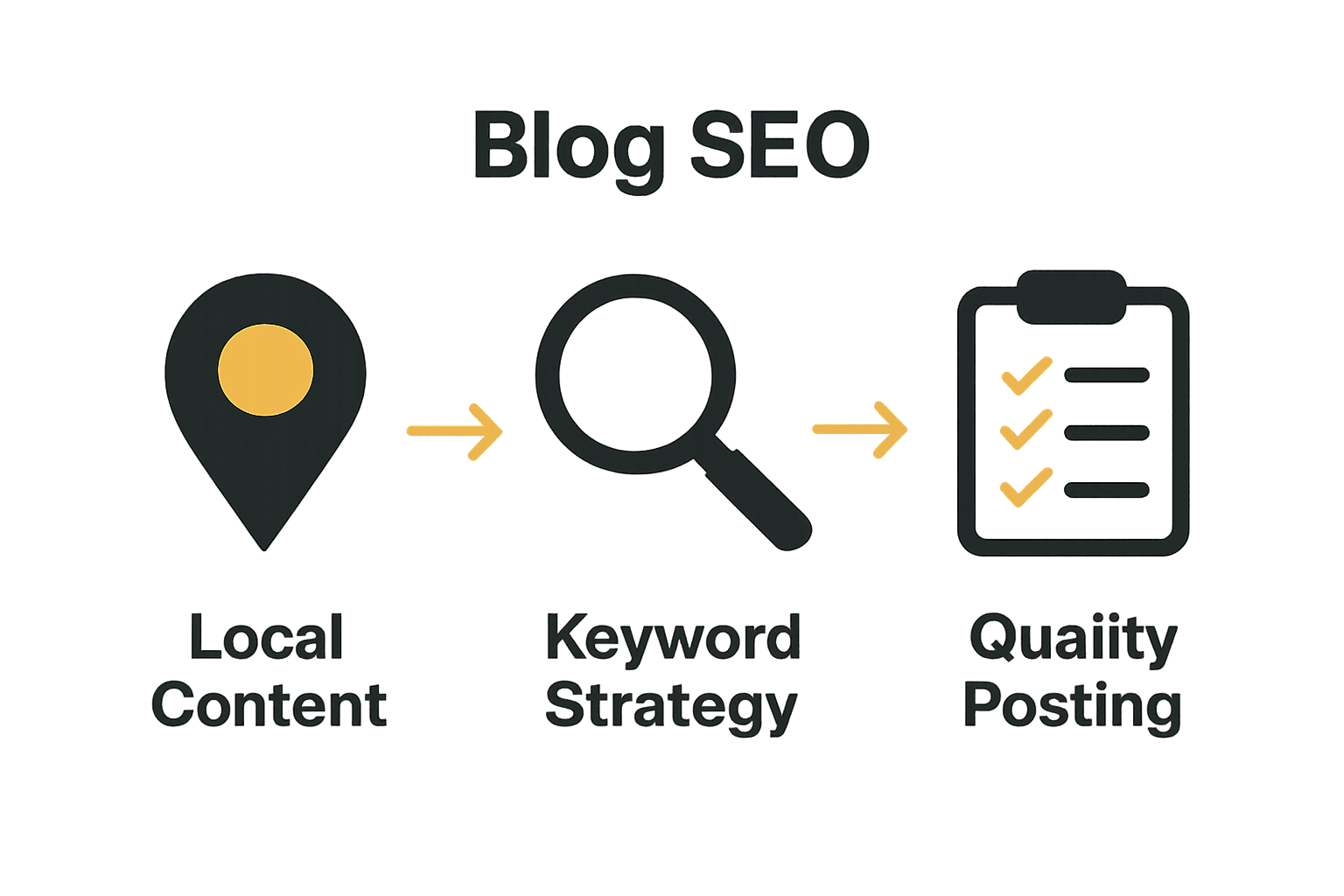
Common Blogging Mistakes to Avoid
Real estate professionals often stumble into predictable blogging pitfalls that can significantly undermine their digital marketing efforts. Blogging Consistency is crucial in avoiding these common traps that can derail an otherwise promising content strategy.
Research highlights several critical mistakes that can diminish a blog’s effectiveness and search engine performance. These missteps include inconsistent posting schedules, creating generic content that lacks local specificity, and prioritizing quantity over quality. Real estate bloggers frequently fail to understand that successful content requires a strategic approach that balances informative writing with targeted, audience-specific insights.
Key blogging mistakes to avoid include:
- Irregular or infrequent posting schedules
- Neglecting local market and neighborhood-specific content
- Using generic, non-targeted keywords
- Failing to proofread and edit content
- Ignoring audience engagement and comments
- Overlooking the importance of visual content
- Writing overly sales-focused articles
- Neglecting to update older blog posts
By recognizing and addressing these common pitfalls, real estate professionals can transform their blogs from ineffective digital noise into powerful, engaging platforms that attract, inform, and convert potential clients.
Unlock the Full Power of Real Estate Blogging for SEO Success
If you are struggling with inconsistent posting or generic content that fails to capture your local market, you are not alone. Role of Blogs in Real Estate SEO is critical for success.
As the article points out, real estate blogs thrive when they combine targeted neighborhood insights, market trend analysis, and buyer-focused guides. These are exactly the challenges Content Charlie helps you overcome with tailored, SEO-driven blog content designed to establish your credibility and boost your search rankings across your local areas.
Don’t let common blogging mistakes hold your real estate business back. Take action now to transform your website into a dynamic platform that attracts ready-to-act clients with focused local SEO strategies and compelling copywriting. Discover how our expert team crafts property descriptions, suburb guides, and continuous blog articles that build trust and drive leads. Visit Content Charlie and explore how local SEO & real estate copywriting can help your business stand out in search results and the minds of local buyers and sellers.
Frequently Asked Questions
What is the purpose of blogging in real estate SEO?
Blogging in real estate SEO serves to enhance digital visibility, engage potential clients, and establish professional credibility by providing valuable insights and information about the housing market and local neighborhoods.
How does blog content improve SEO for real estate websites?
Blog content improves SEO by incorporating targeted keywords, increasing website crawl frequency, creating internal linking structures, and generating fresh, relevant content that appeals to both search engines and users.
What types of content are most effective for real estate blogs?
Effective real estate blog content includes neighborhood profiles, market trend reports, homebuyer and seller guides, investment strategies, and community lifestyle features, each aimed at attracting different audience segments.
What common mistakes should be avoided when blogging for real estate SEO?
Common mistakes include inconsistent posting schedules, creating generic content, neglecting local specifics, using non-targeted keywords, and failing to engage with the audience. It’s important to focus on quality and relevance to maximize the blog’s effectiveness.