
- You are here:
- Home »
- real estate analytics
Tag Archives for " real estate analytics "

Real Estate Website Essentials: Complete Guide for Agents
Having the right Real Estate Website Essentials will have you ahead of 99% of other real estate website, if you implement the steps below.
Nearly 97 percent of home buyers search online for properties before reaching out to an agent. Your real estate website is your strongest tool for attracting new clients and keeping your business visible. Building a platform that combines stunning visuals, seamless searches, and mobile-friendly design can set you apart in a crowded market, creating a smoother path from browsing to closed deals.
Key Takeaways
| Point | Details |
|---|---|
| Core Features | Effective real estate websites must include advanced property search tools, high-quality visual content, lead generation mechanisms, and trust signals to convert visitors into clients. |
| Local SEO Importance | Local SEO strategies are vital for enhancing visibility, involving consistent business citations, structured data markup, and geographic keyword targeting to attract potential clients within specific areas. |
| Lead Conversion Tools | Implementing technologies like IDX lead tracking, email drip campaigns, and behavior analytics can significantly improve lead capture and nurture strategies on real estate websites. |
| Accessibility Compliance | Ensuring websites meet digital accessibility standards is essential not only for legal compliance but also for fostering an inclusive experience for all potential clients. |
Table of Contents
- Defining Real Estate Website Essentials
- Core Features Every Real Estate Website Needs
- SEO Requirements For Local Real Estate Search
- Lead Generation And Conversion Strategies
- Legal Compliance And Accessibility Standards
- Common Website Mistakes To Avoid
Defining Real Estate Website Essentials
Your real estate website esentials are more than just a digital business card – it’s your 24/7 online sales representative that works harder than you ever could. According to AgentFire, successful agent websites combine professional visual branding with strategic digital tools that convert casual browsers into serious clients.
The core essentials of a powerful real estate website revolve around several critical features:
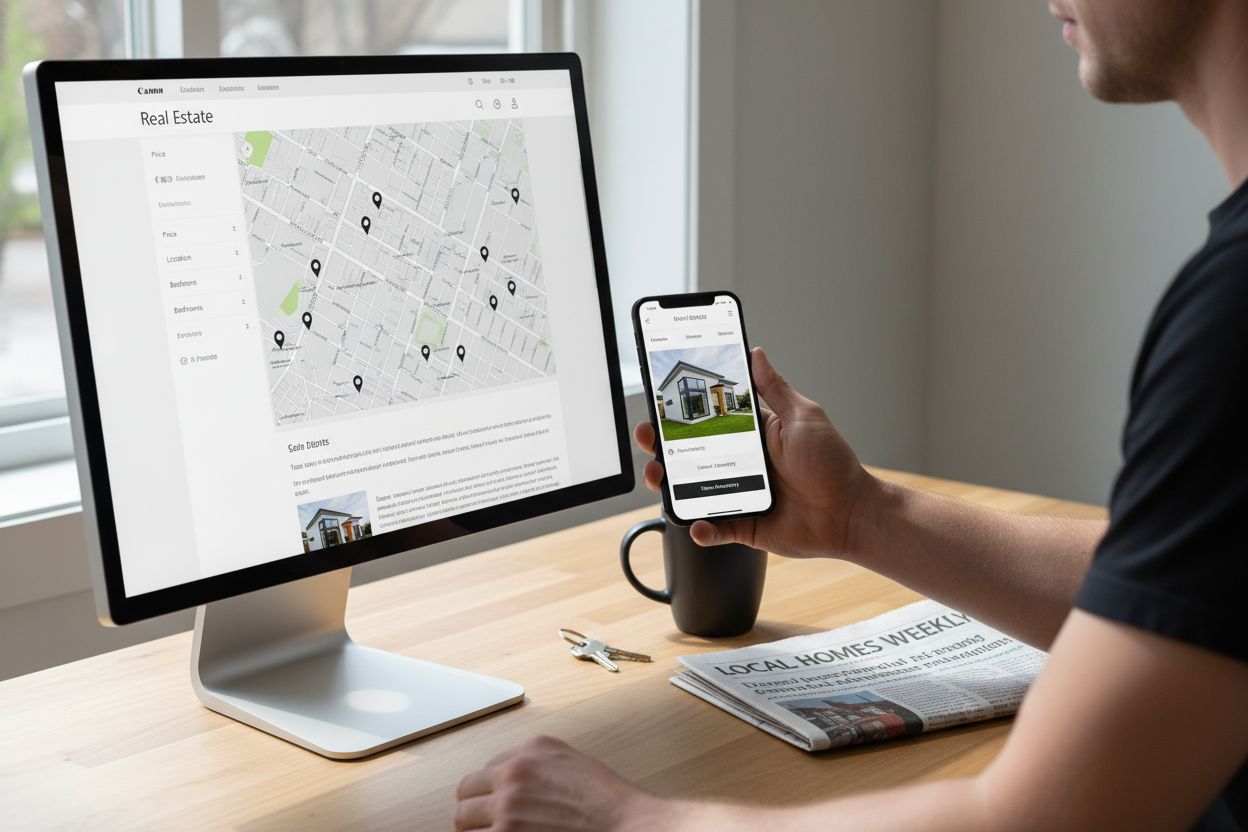
- Property Search Functionality: Advanced filters for location, price, and bedrooms
- Visual Content: High-quality property photos, virtual tours, neighborhood videos
- Lead Generation: Accessible contact forms, email capture mechanisms
- Trust Signals: Client testimonials, third-party reviews, professional credentials
Mobile performance isn’t just a bonus – it’s mandatory. According to PropertyEasy, your website must deliver a seamless experience across devices. This means lightning-fast loading times, stable layouts, and responsive design that adapts to smartphones, tablets, and desktops without losing visual appeal or functionality.
Beyond basic features, modern real estate websites leverage sophisticated tools like AI-powered content creation, visitor behavior analytics, and integrated CRM systems. These technologies transform your website from a passive information portal into an active lead-generation machine that works continuously to expand your client base and demonstrate your local market expertise.
Core Features Every Real Estate Website Needs
Building a high-performance real estate website requires more than just aesthetics – it demands strategic functionality that converts visitors into clients. According to AgentFire, successful websites blend professional design with advanced technological capabilities.
The foundational features every real estate website must include are:
- Advanced Property Search: Robust filtering by location, price, bedrooms, amenities
- Multimedia Showcase: High-resolution property images, 360-degree virtual tours
- Mobile Responsiveness: Seamless performance across smartphones, tablets, desktops
- Lead Capture Mechanisms: Strategic contact forms, email signup prompts
- Trust Signals: Client testimonials, professional credentials, third-party reviews
Conversion optimization goes beyond basic website elements. Modern websites integrate sophisticated tools like visitor behavior tracking, AI-powered content generation, and automated email drip campaigns. According to PropertyEasy, these technologies transform your digital presence from a static brochure into an active client acquisition engine.
The key is creating real estate website essentials that doesn’t just display properties, but provides an immersive, interactive experience that guides potential clients through their home-searching journey. This means fast loading times, intuitive navigation, compelling visual storytelling, and clear pathways to connect with you as a trusted local real estate professional.
Here’s a comparison of essential real estate website features:
| Feature | Purpose | Examples |
|---|---|---|
| Property Search | Helps users find suitable listings | Advanced filters Map view |
| Visual Content | Boosts engagement and trust | High-res photos Virtual tours |
| Lead Generation | Captures potential client info | Contact forms Email signups |
| Trust Signals | Builds credibility | Testimonials Third-party reviews |
| Mobile Responsiveness | Ensures seamless device experience | Fast load Responsive layout |
| Behavior Analytics | Tracks and improves site performance | Visitor heatmaps Funnel tracking |
SEO Requirements for Local Real Estate Search
Local SEO is the secret weapon that transforms your real estate website from invisible to irresistible in search results. Understanding why local SEO matters begins with recognizing that potential clients search for properties and agents within specific geographic boundaries.
According to Search Engine Journal, successful local SEO for real estate professionals hinges on several critical strategies:
- Consistent Business Citations: Accurate listings across Google Business Profile and local directories
- Structured Data Markup: Implementing schema for RealEstateAgent, Offer, and Residence categories
- Hyper-Local Content: Creating neighborhood-specific pages and property guides
- Geographic Keyword Targeting: Incorporating location-specific terms naturally
The most effective local SEO approach goes beyond basic optimization. According to LSEO, modern real estate agents must develop content clusters that target specific neighborhoods, leverage social media channels for content distribution, and actively seek backlinks from local influencers and publications.
Your ultimate goal is to become the go-to digital resource for local property information.
This means creating content that answers specific local buyer questions, showcasing your deep understanding of neighborhood dynamics, and ensuring your website speaks directly to the unique needs of potential clients in your specific market area.
Lead Generation and Conversion Strategies
Transforming website visitors into potential clients requires a strategic approach that goes beyond simple contact forms. Types of real estate leads vary, and your digital strategy must be sophisticated enough to capture and nurture each unique visitor’s interest.
According to AgentFire, advanced lead generation technologies now offer powerful tools for real estate professionals:
- IDX Lead Tracking: Monitor visitor interactions and property interests
- Email Drip Campaigns: Automated, personalized communication sequences
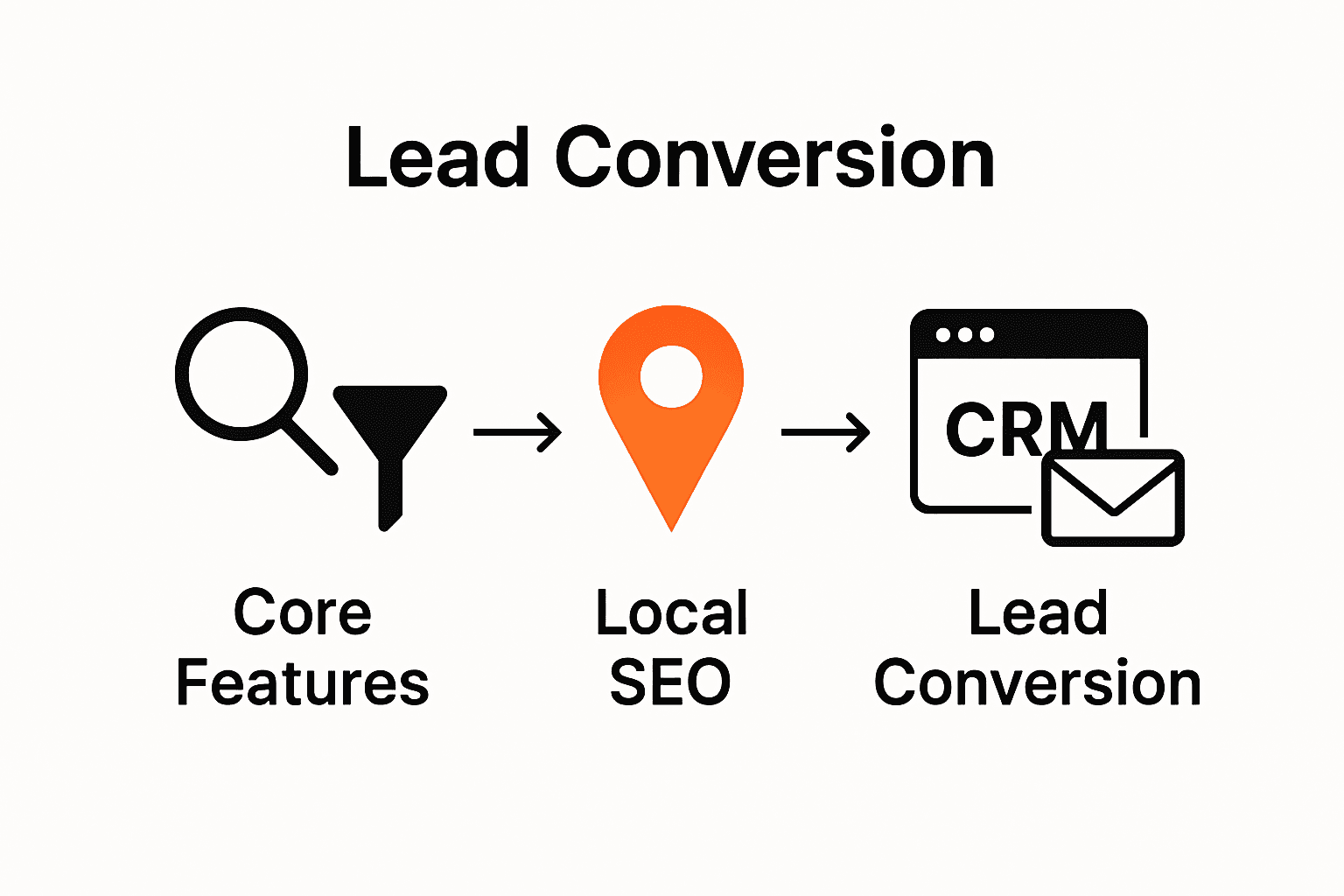
- CRM Integration: Seamless contact management and follow-up tracking
- AI Content Generation: Dynamic, targeted messaging based on user behavior
- Behavior Analytics: Heat mapping and funnel tracking to optimize conversion paths
Visitor trust is the cornerstone of successful lead conversion. As PropertyEasy highlights, this means prominently featuring compelling testimonials, high-quality property visuals, and virtual tours that demonstrate your professionalism and local market expertise.
The most effective websites create a frictionless journey from initial curiosity to client engagement.
 This means intuitive design, crystal-clear contact information, and strategic calls-to-action that guide potential clients exactly where they want to go – closer to finding their perfect property with your expert assistance.
Legal Compliance and Accessibility Standards
Digital accessibility is no longer optional for real estate websites – it’s a legal and ethical imperative. Ensuring your online platform is inclusive means creating an experience that welcomes every potential client, regardless of their physical abilities or technological constraints.
According to Wikipedia, the Web Content Accessibility Guidelines (WCAG) 2.2 provide a comprehensive framework for creating accessible digital experiences. These internationally recognized standards focus on four fundamental principles:
- Perceivable: Information must be presentable to users in ways they can perceive
- Operable: User interface and navigation must be functional for all users
- Understandable: Content and operation must be clear and comprehensible
- Robust: Content must be compatible with current and future assistive technologies
Real estate websites have unique challenges in meeting these standards. This means ensuring your property listings, contact forms, search functions, and multimedia content are fully navigable by screen readers, compatible with keyboard-only navigation, and designed with sufficient color contrast and text sizing.
Beyond technical compliance, accessible design demonstrates your commitment to inclusivity. It signals to potential clients that you value every individual’s experience, understand diverse user needs, and are committed to providing a welcoming, professional digital environment that respects and accommodates all users.
Common Website Mistakes to Avoid
Website design can make or break your real estate digital presence. One misstep could mean losing potential clients before they even understand what you offer. Lead generation ideas for real estate start with avoiding critical digital pitfalls that undermine your professional image.
According to Type North, the most common website mistakes that sabotage real estate professionals include:
- Mobile Unresponsiveness: Sites that don’t adapt to smartphone screens
- Cluttered Homepage: Overwhelming visitors with too much information
- Weak Calls-to-Action: Unclear or missing contact pathways
- Low-Quality Property Listings: Incomplete or unappealing property descriptions
- Slow Page Loading: Performance that frustrates potential clients
- Neglected Local SEO: Invisible in local property search results
Navigation complexity is another silent killer of user experience. Your website should feel intuitive, with clear menus, logical property search functions, and streamlined paths to contact you. Think of your website as a digital storefront – it should invite exploration, not create confusion.
The most successful real estate websites transform technical requirements into storytelling opportunities. This means creating a digital experience that’s not just functional, but engaging – where every pixel communicates your professionalism, local expertise, and commitment to helping clients find their dream property.
Ready to Transform Your Real Estate Website Into a Local Lead Magnet?
You read about the must-have features for a real estate website, but bringing those essentials to life is a challenge. Many agents struggle with weak property listings, missing trust signals, and a website that just does not show up when locals search for homes or advice. Without powerful copywriting and suburb-specific SEO, you risk falling behind competitors who connect with buyers and sellers right where they live.

At Content Charlie, we turn your knowledge into high-converting web pages, suburb guides, and blog posts that climb Google results. Our team specializes in conversion optimization and local SEO, giving your site mobile-first performance, powerful lead generation, and content that earns trust in your neighborhood. If you want to stand out as the top agent in your suburb, act now and let us create a real estate website that converts visitors into lifelong clients. Start growing your local visibility with Content Charlie today.
Frequently Asked Questions
What are the essential features of a real estate website?
The essential features of a real estate website include advanced property search functionality, high-quality visual content, lead generation tools, trust signals like testimonials, and mobile responsiveness to ensure accessibility across devices.
How can local SEO impact my real estate website’s visibility?
Local SEO helps improve your real estate website’s visibility by optimizing for specific geographic keywords, ensuring consistent business citations, and creating hyper-local content that resonates with local buyers, thereby attracting more relevant traffic to your site.
What strategies can I use for effective lead generation on my real estate website?
Effective lead generation strategies include implementing IDX lead tracking, using email drip campaigns for nurturing leads, integrating customer relationship management (CRM) systems, and deploying behavior analytics to understand visitor interactions and optimize conversions.
How can I ensure my real estate website is accessible to all users?
To ensure your real estate website is accessible, adhere to the Web Content Accessibility Guidelines (WCAG) by making information perceivable, operable, understandable, and robust, ensuring compatibility with assistive technologies and providing a user-friendly experience for individuals with disabilities.
Recommended
- 7 Types of Real Estate Content Every Agent Should Use – Content Charlie
- Greg Reed, Author at Content Charlie
- 7 Essential Social Media Tips for Agents – Content Charlie
- 7 Essential Types of Real Estate Leads Agents Must Know – Content Charlie
- SEO for Real Estate Agencies: Simple Strategies to Grow Your Business
- Website Design Guide for Builders: Create a Winning Website – ResponsiveWebsiteDesign

7 Innovative Real Estate Newsletter Ideas for Agents
Real estate newsletter ideas are packed with tips and data but not every agent knows how to make them truly irresistible. Most send out general updates that subscribers barely skim. Yet when you reveal that properties with virtual tours get 87 percent more views than standard listings, it shows how one simple change can captivate your audience and turn routine emails into something everyone wants to open.
Table of Contents
- Highlight Current Market Trends And Insights
- Share Case Studies And Success Stories
- Provide Tips For Home Buyers And Sellers
- Feature Local Community News And Events
- Offer Seasonal Maintenance And Home Improvement Advice
- Include Interactive Content Like Polls Or Surveys
- Showcase Properties With Virtual Tours And Listings
Quick Summary
| Takeaway | Explanation |
|---|---|
| Share local market insights | Provide specific data about trends and prices to position yourself as a knowledgeable expert. |
| Include authentic case studies | Highlight success stories that showcase your expertise and build trust with potential clients. |
| Offer actionable tips for clients | Provide targeted advice to help buyers and sellers make informed decisions throughout the real estate process. |
| Highlight community news and events | Showcase local happenings to engage readers and demonstrate your connection to the community. |
| Incorporate interactive content | Use polls and surveys to engage subscribers, gather insights, and foster client relationships. |
1: Highlight Current Market Trends and Insights
Your real estate newsletter can become a powerful communication tool when you consistently share market trends and insights. By transforming complex market data into digestible, engaging content, you position yourself as a knowledgeable local expert that clients trust.
Translating raw market statistics into compelling narratives helps your audience understand the broader real estate landscape. When potential buyers and sellers receive timely, accurate market information directly from you, they perceive added value beyond traditional transactional relationships.
Our local SEO guide suggests creating content that resonates with your specific community’s real estate interests. This means going beyond generic national trends and focusing on hyperlocal market dynamics.
Effective market trend newsletters typically include key insights such as:
- Average home sale prices in specific neighborhoods
- Days on market for different property types
- Median listing prices compared to previous quarters
- Inventory levels and what they mean for buyers and sellers
To make your newsletter truly compelling, contextualize these statistics. Explain what falling inventory might mean for first-time homebuyers or how increasing median prices impact investment strategies. According to National Association of Realtors research, providing interpretation alongside raw data significantly increases reader engagement.
Remember that transparency builds trust. Be honest about market challenges and opportunities. Clients appreciate agents who provide balanced, nuanced perspectives rather than overly optimistic or pessimistic narratives.
Professional real estate newsletters transform complex market data into stories that help clients make informed decisions. By consistently delivering valuable insights, you demonstrate expertise and build long-term relationships that extend far beyond individual transactions.
2: Share Case Studies and Success Stories for Real Estate Newsletter Ideas
Real estate newsletters become infinitely more compelling when they showcase authentic client success stories. These narratives transform abstract marketing materials into powerful, relatable experiences that potential clients can connect with emotionally.
Successful case studies demonstrate your professional expertise while humanizing your brand. They provide concrete evidence of your problem-solving skills and commitment to client satisfaction. Our local SEO guide recommends crafting stories that highlight unique challenges and innovative solutions.
According to Nielsen Norman Group research, narratives with specific details are 22 times more memorable than plain facts. When constructing your case studies, focus on elements that showcase your professional approach:
- Client background and initial real estate challenges
- Strategic approach you implemented
- Measurable outcomes and client satisfaction
Consider anonymizing client details to protect privacy while maintaining the story’s authenticity. Effective case studies might highlight scenarios like helping first-time homebuyers secure their dream property, assisting investors in finding profitable opportunities, or guiding sellers through complex market transitions.
Your success stories should demonstrate tangible value. Numbers and specific outcomes matter. Did you help a client sell their home 20% faster than the local average? Did you negotiate a purchase price significantly below market value? These concrete details transform generic narratives into powerful testimonials.
Additionally, varied case studies can appeal to different client segments. A mix of stories involving different property types, buyer demographics, and transaction complexities shows your versatility and comprehensive market understanding.
Ultimately, well-crafted case studies in your newsletter do more than showcase past achievements. They build trust, illustrate your professional capabilities, and provide potential clients with a clear vision of the exceptional service you provide.
3: Provide Real Estate Newsletter Ideas Tips for Home Buyers and Sellers
Transforming your real estate newsletter into a valuable resource means offering practical, actionable advice that helps clients navigate complex property transactions. By sharing targeted tips for both buyers and sellers, you establish yourself as a trusted advisor who goes beyond traditional transactional services.
Our real estate marketing guide emphasizes the importance of providing clear, strategic guidance that addresses common pain points in the real estate process.
According to National Association of Realtors research, clients value agents who provide comprehensive education about the buying and selling landscape. Your newsletter can become an essential tool for demystifying complex real estate processes.
For home buyers, consider including tips such as:
- Understanding mortgage pre-approval before house hunting
- Budgeting for hidden costs beyond the purchase price
- Importance of home inspections and what to look for
For sellers, focus on strategies that maximize property value and streamline the selling process:
- Cost-effective home improvement projects
- Staging techniques that attract potential buyers
- Pricing strategies aligned with current market conditions
The most effective tips blend practical advice with local market insights. Discuss how neighborhood-specific trends might impact buying or selling strategies. For instance, highlight upcoming infrastructure projects, school district changes, or emerging local development that could influence property values.
Remember that educational content builds trust. By consistently providing valuable information, you position yourself as a knowledgeable professional who genuinely wants to help clients make informed decisions. Your newsletter becomes more than a marketing tool – it transforms into a valuable resource clients will eagerly anticipate and share with their networks.
4: Feature Local Community News and Events
Highlighting local community news and events transforms your real estate newsletter from a marketing tool into a valuable neighborhood resource. By showcasing the vibrant local landscape, you demonstrate deep community connection and provide subscribers with engaging, relevant content.
Our neighborhood spotlights guide suggests creating content that goes beyond traditional real estate information. Local events and news create meaningful context for potential buyers and sellers understanding the true essence of a neighborhood.
According to Nextdoor’s Community Impact Report, 87% of residents are more likely to engage with local businesses that demonstrate genuine community involvement. Your newsletter can become a critical communication bridge between real estate services and local community dynamics.
Consider featuring content such as:
- Upcoming community festivals and cultural events
- Local infrastructure and development projects
- School district updates and educational initiatives
Effective community news coverage requires a strategic approach. Highlight events that showcase the neighborhood’s unique character. Are there new restaurants opening? Community improvement projects? Local business success stories? These narratives provide potential buyers with insights beyond property listings.
Remember to balance information with storytelling. Include personal perspectives, interview local business owners, or share community achievements. This approach transforms your newsletter from a transactional document into a compelling neighborhood narrative.
By consistently delivering rich, locally focused content, you position yourself as more than a real estate agent. You become a community connector, trusted advisor, and local expert who understands the intricate dynamics that make a neighborhood truly special.
5: Offer Seasonal Maintenance and Home Improvement Advice in Real Estate Newsletter Ideas
Providing seasonal maintenance and home improvement advice in your real estate newsletter positions you as a proactive, knowledgeable resource for current and potential clients. These practical tips demonstrate your commitment to helping homeowners protect and enhance their property investments.
Our real estate marketing guide emphasizes the importance of delivering actionable, timely information that adds genuine value to your clients’ lives.
According to HomeAdvisor’s State of Home Spending report, homeowners spend an average of $7,560 annually on home maintenance and improvement projects. Your newsletter can help them make informed, strategic decisions about these investments.
Consider offering advice tailored to different seasons:
- Summer preparation tips like air conditioning maintenance
- Winter weatherproofing strategies to prevent home damage
- Spring landscaping recommendations for curb appeal
Key maintenance advice should address both preventative care and value-adding improvements. This might include cost-effective projects that can increase home value, such as:
- Minor kitchen updates
- Energy-efficient upgrades
- Landscaping improvements
Your maintenance advice should blend practical guidance with potential financial benefits. Explain how regular maintenance can prevent costly repairs and how strategic improvements can boost property value. For instance, discuss how a $500 investment in fresh paint might yield a significant return during a future sale.
By consistently providing expert maintenance insights, you transform your newsletter from a marketing tool into a valuable homeowner resource. Clients will appreciate receiving timely, actionable advice that helps them protect and improve their most significant asset. This approach builds trust, positions you as an authority, and keeps your audience engaged beyond traditional real estate transactions.
6: Include Interactive Content Like Polls or Surveys
Interactive content transforms your real estate newsletter from a passive communication tool into an engaging, two-way conversation. Polls and surveys invite subscribers to actively participate, providing valuable insights while simultaneously increasing reader engagement and connection.
Our email marketing strategies guide highlights the critical role of interactive elements in maintaining subscriber interest and improving overall communication effectiveness.
According to HubSpot’s Marketing Research, interactive content generates 2x more conversions compared to passive content. By incorporating strategic polls and surveys, you create opportunities for meaningful client interactions.
Consider implementing interactive elements that provide mutual benefits:
- Market sentiment polls about local real estate trends
- Neighborhood preference surveys
- Home improvement idea collections
Effective interactive content should be:
- Concise and easy to complete
- Relevant to your audience’s interests
- Visually appealing
Designing compelling interactive content requires understanding your audience’s motivations. Ask questions that reveal client preferences, challenges, and aspirations. For instance, a survey about preferred home features can provide insights into market demands while making subscribers feel valued.
The data collected through these interactive elements serves multiple purposes. Beyond engagement, you gain actionable market intelligence that can inform your service offerings, marketing strategies, and client communication approaches.
By regularly featuring interactive content, you demonstrate that your newsletter is not just about broadcasting information, but about creating a collaborative, responsive community where client perspectives are genuinely heard and respected.
7: Showcase Properties with Virtual Tours and Listings
Virtual tours and property listings have revolutionized how real estate agents present properties in their newsletters. Digital showcasing allows potential buyers to explore homes remotely, providing an immersive experience that traditional photography cannot match.
Our virtual tours guide emphasizes creating engaging, high-quality digital property presentations that capture potential buyers’ imaginations.
According to Matterport’s Real Estate Visualization Report, properties with virtual tours receive 87% more views compared to traditional listings, dramatically increasing potential buyer engagement.
When incorporating property showcases in your newsletter, consider these strategic approaches:
- High-resolution property images
- 360-degree virtual tour links
- Detailed property description highlighting unique features
Key elements that make property listings compelling include:
- Clear, professional photography
- Accurate, concise property descriptions
- Transparent pricing information
Digital property presentation requires more than just uploading images. Craft narratives that help potential buyers visualize living in the space. Describe not just the physical attributes, but the lifestyle each property offers. A modern kitchen isn’t just about appliances – it’s about family gatherings, culinary adventures, and creating memories.
Technology has transformed property marketing. By integrating sophisticated virtual tour technologies and thoughtful storytelling, your newsletter becomes a powerful tool that doesn’t just show properties, but sells compelling living experiences. Your goal is to help subscribers imagine themselves walking through these spaces, turning passive viewing into active interest.
Below is a comprehensive table summarizing the seven innovative real estate newsletter ideas for agents, including their key focus, main benefits, and practical implementation tips.
| Newsletter Idea | Key Focus | Main Benefit | Practical Example/Tip |
|---|---|---|---|
| Highlight Market Trends and Insights | Share neighborhood-specific data and analysis | Establish authority, build trust | Explain what statistics mean for buyers/sellers |
| Share Case Studies and Success Stories | Feature authentic client journeys and outcomes | Build credibility and emotional connection | Include measurable results and detailed narratives |
| Provide Tips for Home Buyers and Sellers | Offer actionable advice and local market strategies | Empower clients to make informed decisions | Give seasonal tips, explain processes for buyers and sellers |
| Feature Local Community News and Events | Cover events, development, and neighborhood updates | Engage audience; show community expertise | Highlight festivals, infrastructure projects, and spotlights |
| Offer Seasonal Maintenance and Improvement Advice | Advise on timely home care and value-boosting upgrades | Demonstrate proactivity, foster long-term relationships | Suggest cost-effective projects for different seasons |
| Include Interactive Content like Polls or Surveys | Engage readers with polls and gather feedback | Increase engagement, gain market insights | Ask about market sentiment or home feature preferences |
| Showcase Properties with Virtual Tours and Listings | Present listings using immersive digital experiences | Capture interest, increase views, stand out | Use 360-degree tours, quality images, lifestyle-focused descriptions |
Ready to Transform Your Real Estate Newsletter Ideas Into Game-Changing Marketing Tools?
Standing out in your local market is tough when every agent is fighting for attention. Does your newsletter truly offer value beyond basic listings? If you recognize yourself struggling to deliver market trends, engaging case studies or actionable homeowner tips as outlined in our article, it is time to level up. Imagine sending emails packed with hyperlocal insights, strong storytelling and expert-driven tips—making your brand the resource that buyers and sellers trust and remember. See how our real estate marketing strategies can help your content resonate with the local audience you want to reach.
Stop your email marketing from blending into the crowd. Let Content Charlie craft SEO-smart, trust-building newsletters and digital content that set you apart as the local expert. Visit Content Charlie now for proven solutions designed specifically for real estate. Book your free consult today—you deserve newsletters that get read, shared and drive results.
Frequently Asked Questions
How can I highlight current market trends in my real estate newsletter?
To highlight current market trends, focus on local statistics like average home sale prices and inventory levels. Break down these numbers in simple terms and explain their implications for buyers and sellers in your community.
What type of client success stories should I include in my newsletter?
Include diverse client success stories that demonstrate your problem-solving skills and professional expertise. Showcase detailed narratives about unique challenges you faced and the measurable outcomes of your efforts to resonate with potential clients.
What practical tips should I share for home buyers in my newsletter?
For home buyers, share actionable tips such as understanding mortgage pre-approval processes and budgeting for hidden costs. Provide information that helps them feel informed and prepared for their purchasing journey.
How can I feature local community news effectively in my newsletter?
Feature local community news by including updates on upcoming events and developments that highlight the neighborhood’s appeal. Focus on stories that connect potential buyers to the community, showcasing its character and unique features.
What seasonal maintenance tips can I offer to homeowners in my newsletter?
Offer seasonal maintenance tips that guide homeowners on tasks such as weatherproofing in winter or landscaping in spring. Provide clear, actionable steps that help them maintain their property and enhance its value over time.
How can I incorporate interactive content like polls in my real estate newsletter?
Incorporate polls by creating simple, relevant questions related to your audience’s interests, such as market trends or home preferences. This invites engagement and provides you with valuable insights from your subscribers.
Recommended
- email marketing tactics Archives – Content Charlie
- real estate email marketing Archives – Content Charlie
- real estate emails Archives – Content Charlie
- email marketing strategies Archives – Content Charlie
- SEO for Real Estate Agencies: Simple Strategies to Grow Your Business
- Why Use Independent Real Estate Agent for Luxury Homes – ULI & LISA Mallorca Property Blog