
- You are here:
- Home »
- local property markets
Tag Archives for " local property markets "

Real Estate SEO in 2025: Complete Guide for Agents
Nearly 90 percent of homebuyers start their search online, yet only a fraction of real estate agents achieve top rankings in search results. With digital competition growing fast, staying visible means mastering more than basic website updates.
Cutting-edge real estate SEO in 2025 demands tailored local content, lightning-fast mobile experiences, and powerful tech integrations that connect agents with serious buyers and sellers—right when and where it matters most.
Table of Contents
- Defining Real Estate SEO for 2025
- Core SEO Trends Affecting Real Estate
- How AI and Voice Search Impact Rankings
- Local Search: Suburb-Level SEO Strategies
- Common Real Estate SEO Mistakes to Avoid
Key Takeaways
| Point | Details |
|---|---|
| Local SEO Importance | Hyperlocal content targeting specific neighborhoods is essential for enhancing local search visibility in real estate. |
| AI and Voice Search Adaptation | Real estate professionals must create content that aligns with AI technologies and conversational search patterns to stay competitive. |
| Mobile Optimization | Fast and responsive mobile sites are crucial to reduce bounce rates and improve search rankings. |
| Avoiding SEO Pitfalls | Agents should steer clear of common mistakes such as ignoring mobile responsiveness and duplicating content to maintain a strong digital presence. |
Defining Real Estate SEO for 2025
Real Estate SEO in 2025 is a sophisticated digital strategy that goes far beyond basic website optimization. According to research from The SEO Project, it involves strategic techniques designed to help property professionals rank higher in search engine results while attracting potential buyers and sellers through targeted online visibility.
The core of modern Real Estate SEO centers on three critical elements: local search optimization, mobile-friendly design, and high-quality content. As ZEO resources highlight, agents must adapt to evolving search engine algorithms and integrate AI-driven content strategies that enhance user experience. This means creating hyper-local content that speaks directly to specific neighborhood markets and leveraging technology to make property information instantly accessible.
Key characteristics of Real Estate SEO in 2025 include:
- Microsecond mobile page loading speeds
- Hyperlocal content targeting specific suburbs and neighborhoods
- Rich, schema-enabled property listings with comprehensive details
- Interactive mapping and virtual tour integrations
- Authentic, conversational content that answers specific buyer and seller questions
Successful real estate professionals recognize that SEO is no longer about keyword stuffing, but about creating genuine, valuable connections with potential clients through strategic digital presence. By understanding and implementing these advanced SEO techniques, agents can transform their online platforms from simple listing repositories into powerful lead generation machines.
Core SEO Trends Affecting Real Estate
The real estate digital landscape is rapidly transforming, with SEO becoming increasingly nuanced and sophisticated. Understanding real estate SEO metrics is crucial for agents looking to stay competitive. According to research from The SEO Project, key trends are dramatically reshaping how property professionals approach online visibility, with a growing emphasis on local search listings and organic search results over paid advertisements.
Emerging technological shifts are redefining SEO strategies. As ZEO resources highlight, the rise of voice search and AI-integrated search experiences are creating new challenges and opportunities for real estate professionals. Agents must now craft content that not only ranks well but also directly addresses user intent, providing comprehensive and immediately actionable information.
The most critical SEO trends for real estate professionals in 2025 include:
Here’s a comparison of critical 2025 real estate SEO trends and their practical impact:
| SEO Trend | Description | Impact on Real Estate Agents |
|---|---|---|
| Hyperlocal Content | Content targeting neighborhoods | Increases local search visibility |
| AI-Powered Search | AI matches search intent | Delivers more qualified buyer leads |
| Enhanced Mobile Experience | Fast, responsive mobile sites | Reduces bounce rate, boosts rankings |
| Multimedia Integration | Maps, virtual tours, videos | Engages visitors, increases dwell time |
| Strong Security Protocols | Robust HTTPS, privacy standards | Builds trust, improves search ranking |
- Hyperlocal content optimization
- AI-powered search intent matching
- Enhanced mobile user experience
- Robust online security protocols
- Seamless integration of multimedia content
Successful real estate SEO now requires a holistic approach that goes beyond traditional keyword strategies. By understanding these evolving trends and adapting quickly, agents can position themselves as digital-first professionals who can effectively connect with potential buyers and sellers in an increasingly competitive online marketplace.
How AI and Voice Search Impact Rankings
The integration of artificial intelligence and voice search is fundamentally transforming how real estate websites compete for top search rankings. Exploring AI article analysis techniques reveals the sophisticated ways search engines now evaluate content relevance and quality. According to research from ZEO, AI adoption in search engines is driving more personalized and accurate results, compelling real estate professionals to produce exceptionally high-quality, targeted content.
Voice search is revolutionizing how potential property buyers interact with online search platforms. Modern AI algorithms now prioritize conversational language and natural speech patterns, which means real estate content must evolve beyond traditional keyword optimization. As ZEO research indicates, users are increasingly using long-tail, conversational queries like “three-bedroom house near local schools” instead of fragmented search terms.
Key strategies for adapting to AI and voice search ranking criteria include:
- Creating content that answers specific user questions
- Implementing natural, conversational language
- Developing comprehensive, context-rich property descriptions
- Optimizing for featured snippets and direct answer boxes
- Ensuring mobile and voice search compatibility
Successful real estate professionals will recognize that AI-driven search is not just a technological trend, but a fundamental shift in how potential clients discover and interact with property information. By understanding and strategically adapting to these emerging search technologies, agents can position themselves at the forefront of digital real estate marketing.
Local Search: Suburb-Level SEO Strategies
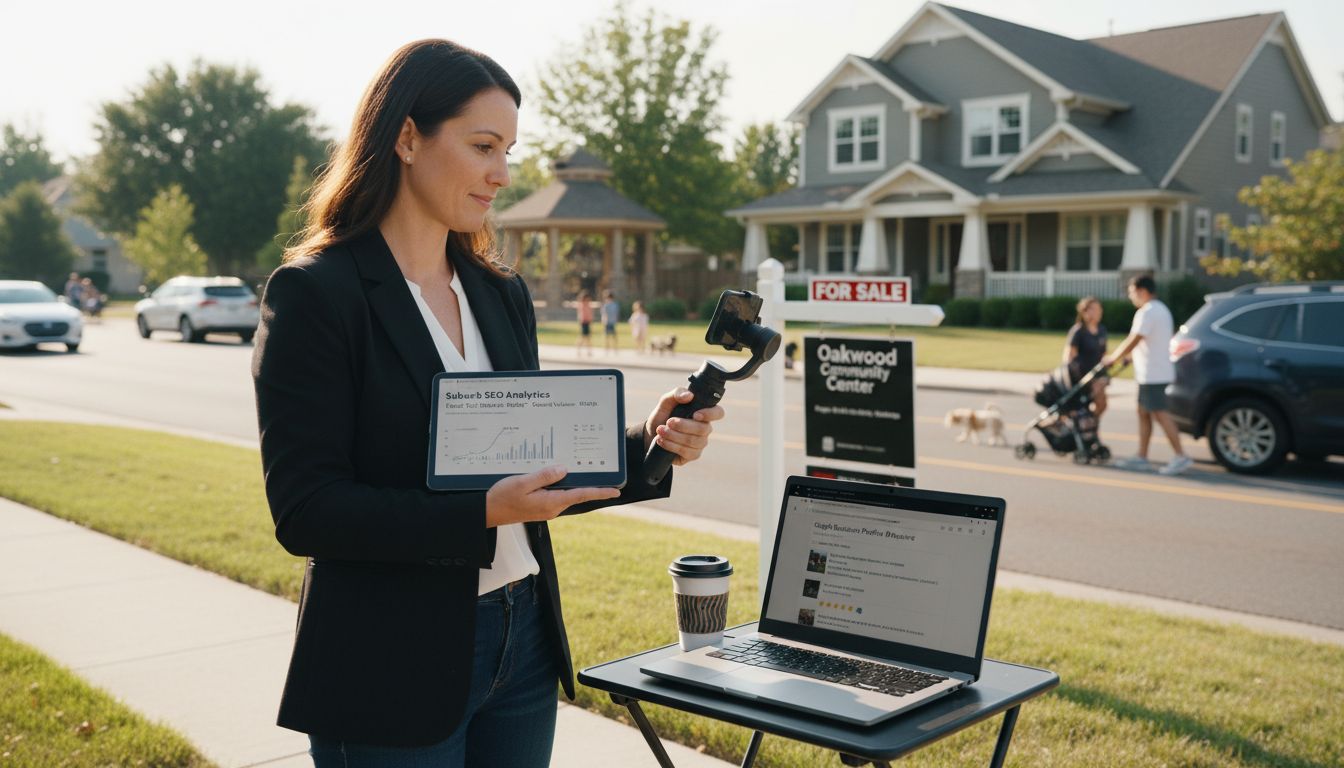
Local SEO has become the cornerstone of digital visibility for real estate professionals in 2025. Understanding why local SEO matters reveals the critical importance of hyper-targeted online strategies. According to research from The SEO Project, optimizing for local search requires meticulous management of business listings, strategic review handling, and providing comprehensive information about properties and neighborhoods.
Suburb-level SEO demands a nuanced approach that goes beyond traditional keyword optimization. As ZEO resources highlight, successful strategies now involve creating geo-targeted content that speaks directly to specific local markets. This means developing rich, context-aware narratives about individual suburbs, their unique characteristics, property trends, and community dynamics.
Key suburb-level SEO strategies for real estate agents include:
- Creating hyperlocal content about specific neighborhood amenities
- Developing suburb-specific property market reports
- Optimizing Google Business Profile with precise local information
- Generating location-specific testimonials and case studies
- Engaging with local community events and online discussions
The most successful real estate professionals will treat suburb-level SEO as an opportunity to become digital neighborhood experts. By crafting content that provides genuine value and insights into local property landscapes, agents can transform their online presence from generic listings to authoritative local resources that potential buyers and sellers genuinely trust.
Common Real Estate SEO Mistakes to Avoid
Boosting agent visibility online requires avoiding critical SEO pitfalls that can dramatically undermine digital performance. According to research from The SEO Project, real estate professionals frequently make mistakes that directly compromise their search rankings, including neglecting mobile optimization, overlooking local search strategies, and failing to secure websites with HTTPS protocols.
Duplicate content remains a significant challenge in real estate SEO. As ZEO resources highlight, search engines penalize websites that reproduce identical property descriptions or listing information across multiple pages. The most sophisticated algorithms now detect and downgrade content that lacks originality, compelling agents to develop unique, compelling narratives for each property listing.
The most common real estate SEO mistakes that agents must avoid include:
- Ignoring mobile responsiveness
- Using generic, non-localized content
- Neglecting website security protocols
- Publishing duplicate property descriptions
- Failing to update listings regularly
- Overlooking page loading speed
- Inconsistent NAP (Name, Address, Phone) information
Successful real estate professionals understand that SEO is an ongoing process of refinement and adaptation. By proactively addressing these common mistakes, agents can create a robust digital presence that not only attracts potential clients but also establishes credibility in an increasingly competitive online marketplace.
Elevate Your Real Estate SEO and Capture Local Leads in 2025
The article reveals that modern Real Estate SEO is all about mastering hyperlocal content, enhancing mobile experience, and leveraging AI to meet evolving search trends. If you find it challenging to create unique, suburb-focused content or struggle with optimizing your listings for voice search and mobile users, you are not alone. Many agents face these hurdles while trying to stand out in competitive neighborhoods and build genuine trust with potential buyers and sellers.
At Content Charlie, we understand that winning local searches from Broadbeach to Burleigh means having SEO-driven, engaging property descriptions, detailed suburb guides, and Google Business Profile content that truly connect with your audience. We help you overcome the common pitfalls like duplicate content and slow mobile pages with tailored strategies designed to boost your rankings and convert clicks into clients.
Ready to transform your digital presence into a powerful lead-generating machine?

Discover how our local SEO and real estate copywriting expertise can make your brand the trusted neighborhood choice. Visit Content Charlie today and explore our services that align perfectly with the latest 2025 SEO trends. Start attracting ready-to-act customers now with content that ranks, engages, and sells. Check out Content Charlie and learn the secrets to dominating your local market through effective SEO strategies tailored just for real estate professionals.
Frequently Asked Questions
What is Real Estate SEO in 2025?
Real Estate SEO in 2025 involves advanced digital strategies that help real estate professionals improve their search rankings and enhance online visibility through local search optimization, mobile-friendly designs, and high-quality content.
Why is local SEO important for real estate agents?
Local SEO is essential for real estate agents as it helps them target specific neighborhoods and markets, increasing their visibility to potential buyers and sellers actively searching for properties in those areas.
How do AI and voice search impact SEO for real estate websites?
AI and voice search enhance SEO by prioritizing content that uses natural language and answers specific user questions, requiring real estate professionals to create targeted and context-rich content that aligns with conversational queries.
What are common SEO mistakes real estate agents should avoid?
Common SEO mistakes include neglecting mobile responsiveness, using duplicate property descriptions, failing to secure websites with HTTPS, and not optimizing local search strategies, which can harm search rankings and online visibility.
Recommended

Understanding Why Blogging Boosts SEO for Real Estate
SEO can feel overwhelming for real estate agents who want their websites to attract real clients. Most believe you have to master every algorithm and tech trick out there. We need to understand why blogging boosts seo.
Yet the surprising truth is that consistent blogging alone can make your website up to 4 times more effective at reaching qualified leads. That flips the script on what really drives online success.
Table of Contents
- The Basics Of Seo And Blogging
- How Blogging Improves Website Authority
- The Role Of Keywords And Content Strategy
- Engagement And Audience Connection Through Blogging
- Long-Term Benefits Of Consistent Blogging
Quick Summary
| Takeaway | Explanation |
|---|---|
| Create relevant content consistently | Regularly publishing blogs increases website visibility and attracts qualified leads. |
| Focus on strategic keyword integration | Use long-tail keywords tailored to specific client needs to enhance searchability. |
| Build website authority through quality | High-quality, informative content establishes trust and credibility with search engines and clients. |
| Engage with your audience genuinely | Personal insights and addressing client concerns help build a loyal readership and community trust. |
| Invest in long-term blogging | A consistent blogging strategy creates lasting digital resources that continue to attract traffic over time. |
The Basics of SEO and Blogging
Search Engine Optimization (SEO) represents a strategic approach that helps websites become more visible and attractive to search engines like Google.
For real estate professionals, blogging serves as a powerful mechanism to enhance online presence and attract potential clients through targeted content.
Google’s search documentation emphasizes that quality content helps search engines discover, crawl, and understand website information effectively.
Understanding SEO Fundamentals
At its core, SEO involves optimizing digital content to rank higher in search engine results pages (SERPs). For real estate agents, this means creating content that answers potential clients’ questions about property markets, neighborhoods, buying strategies, and local real estate trends.
The goal is not just attracting website visitors but drawing qualified leads who are genuinely interested in real estate services.
How Blogging Supports SEO Strategy
Blogs provide multiple advantages for SEO performance. They allow real estate professionals to:
- Generate fresh, relevant content consistently
- Target specific keywords related to local property markets
- Demonstrate professional expertise and market knowledge
- Create opportunities for internal and external linking
By publishing regular, high-quality content that addresses client interests and local real estate dynamics, agents can signal to search engines that their website is an authoritative and valuable resource. Learn more about content marketing strategies that can elevate your real estate business’s online visibility.
Successful SEO through blogging requires understanding audience needs, researching relevant keywords, and delivering informative content that provides genuine value to potential property buyers and sellers.
How Blogging Improves Website Authority
Website authority represents a critical metric determining how search engines perceive the credibility and relevance of a digital platform.
For real estate professionals, building this authority through strategic blogging can significantly enhance online visibility and attract potential clients. Moz’s Domain Authority research highlights that websites with consistent, high-quality content tend to rank higher in search engine results.
The Role of Content Quality and Consistency
Blogs serve as a powerful mechanism for establishing expertise and trustworthiness in the real estate market. By producing informative, original content that addresses specific client questions and concerns, agents can demonstrate deep understanding of local property landscapes.
Consistent publishing signals to search engines that a website is active, relevant, and committed to providing valuable insights.
Building Credibility Through Strategic Content
Website authority is not just about quantity but the strategic depth of content. Real estate professionals can enhance their digital credibility by:
- Creating in-depth neighborhood guides
- Analyzing local market trends
- Sharing expert insights on property investment
- Addressing common client questions and challenges
These approaches transform a blog from a simple webpage into a comprehensive resource that search engines recognize as authoritative.
Explore strategies for boosting Google rankings to further understand how strategic content can elevate your online presence.
By consistently delivering valuable, targeted content, real estate agents can systematically build website authority that attracts both search engine algorithms and potential clients seeking genuine expertise.
To clarify how strategic blogging impacts website authority in real estate, the table below breaks down the key characteristics of quality content versus consistency and explains how each contributes to higher search engine rankings.
| Characteristic | Impact on SEO | How It Builds Authority |
|---|---|---|
| Content Quality | Elevates site in search rankings | Signals expertise and trustworthiness |
| Content Consistency | Encourages regular site crawling by search engines | Shows site is active and relevant |
| In-depth Market Analysis | Targets client needs and search intent | Demonstrates knowledge of local trends |
| Addressing Client Questions | Attracts targeted traffic | Builds reputation as a resource |
| Originality | Reduces competition with duplicate content | Distinguishes the agent |
| s voice |

The Role of Keywords and Content Strategy
Keywords represent the critical bridge connecting potential real estate clients with relevant online content.
Developing a sophisticated content strategy that integrates targeted keywords naturally can transform a blog from a simple collection of posts into a powerful lead generation tool.
Moz’s SEO guide emphasizes that strategic keyword selection enables websites to appear precisely where potential clients are searching.
Understanding Keyword Relevance in Real Estate
For real estate professionals, keyword strategy goes beyond generic terms like “houses for sale.” Successful content marketing requires understanding the nuanced search behaviors of local property seekers.
This means identifying long-tail keywords that reflect specific client intentions, such as “three-bedroom homes in Brisbane waterfront” or “investment properties near Gold Coast beaches.”
Crafting a Strategic Content Approach
Effective keyword integration demands a comprehensive approach that considers multiple factors:
- Identifying local search patterns
- Matching keywords with specific client needs
- Creating content that genuinely answers user questions
- Balancing keyword density with natural, engaging writing
Real estate agents must think beyond simple keyword placement and focus on developing content that provides genuine value and directly addresses potential client queries. Learn more about content marketing strategies that can help refine your approach to digital visibility.
By understanding and implementing a sophisticated keyword strategy, real estate professionals can create content that not only ranks well in search results but also meaningfully connects with potential buyers and sellers seeking expert guidance.
Engagement and Audience Connection Through Blogging
Blogging transcends traditional marketing by creating meaningful connections between real estate professionals and potential clients. Authentic, valuable content transforms a website from a mere digital brochure into an interactive platform for community engagement.
Sprout Social’s research on social media engagement highlights how consistent, relevant content encourages deeper audience interactions.
Building Trust Through Personalized Content
Successful real estate blogs go beyond property listings by sharing insights that demonstrate genuine understanding of client needs. This approach involves crafting narratives that speak directly to potential buyers’ and sellers’ challenges, fears, and aspirations.
By addressing specific local market nuances, real estate agents can position themselves as trusted neighborhood experts rather than simply transactional service providers.
Strategies for Meaningful Audience Interaction
Engagement requires a multifaceted approach that encourages reader participation and builds community trust:
- Creating content that answers specific client questions
- Sharing personal insights about local neighborhood developments
- Providing actionable advice for property investors
- Responding promptly to comments and reader inquiries
Learn more about building writing connections to enhance your digital communication strategy. Real estate professionals who consistently deliver value through their blogs can transform casual website visitors into loyal followers and potential long-term clients, ultimately driving both SEO performance and business growth.
This table summarizes various approaches real estate professionals can use to foster engagement and build audience connection through blogging, highlighting the focus of each strategy and the main benefit it delivers.
| Engagement Strategy | Focus | Main Benefit |
|---|---|---|
| Answering Client Questions | Addressing specific local concerns | Builds trust and authority |
| Sharing Neighborhood Insights | Providing personal perspectives | Demonstrates local expertise |
| Offering Actionable Advice | Giving investment or buying tips | Positions agent as a problem-solver |
| Responding to Comments/Inquiries | Interactive communication | Encourages repeat visits and loyalty |
| Sharing Market Developments | Real-time updates and market trends | Keeps content fresh and relevant |
Long-Term Benefits of Consistent Blogging
Consistent blogging represents a strategic investment in digital marketing that compounds value over time for real estate professionals.
Unlike traditional advertising that provides temporary visibility, blog content creates a lasting digital footprint that continually attracts potential clients.
HubSpot research demonstrates that companies prioritizing blogging experience significantly higher return on investment through sustained web traffic and lead generation.
Compounding Content Value
Each blog post functions as a permanent asset in a real estate agent’s digital portfolio.
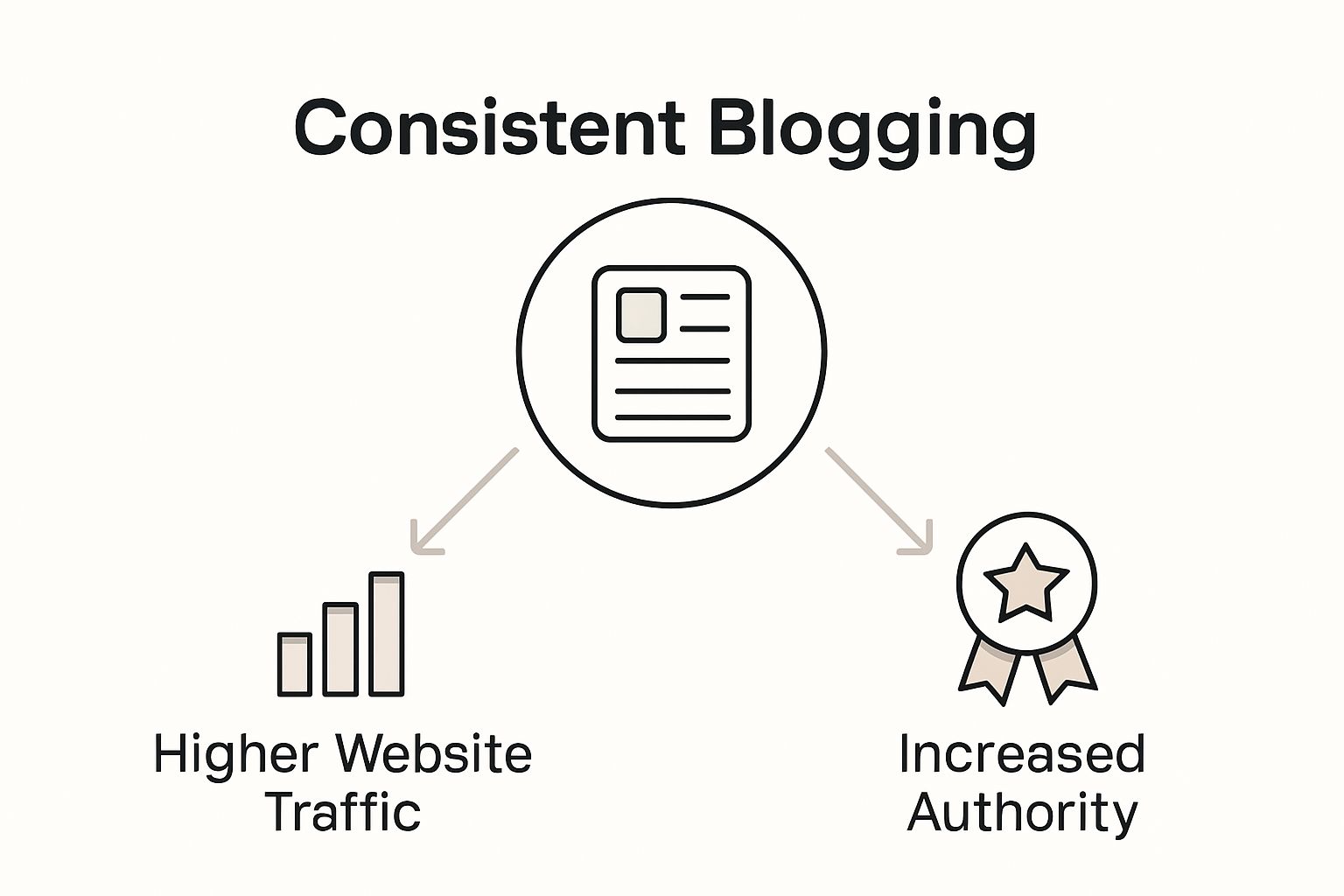 Evergreen content addressing timeless topics like first-time homebuyer guidance, neighborhood insights, or investment strategies continues generating organic traffic months and even years after initial publication.
This approach transforms blogs from ephemeral marketing materials into enduring resources that consistently showcase professional expertise.
Strategic Long-Term Positioning
Consistent blogging offers multiple strategic advantages for real estate professionals:
- Building a comprehensive digital knowledge base
- Establishing credibility as a local market expert
- Creating searchable content that attracts targeted leads
- Developing a repository of shareable professional insights
Explore strategies for professional branding to understand how consistent content creation elevates your digital presence.
By treating blogging as a long-term commitment rather than a sporadic marketing tactic, real estate agents can systematically build an authoritative online platform that attracts and retains potential client interest.
Ready to See Your Real Estate Brand Rise Above the Competition?
Feeling frustrated because your blog posts are not attracting serious home buyers or sellers? You invest time creating content but struggle to stand out in suburb-level searches.
As this article explains, consistent, SEO-focused blogging builds website authority, fuels Google rankings, and keeps your audience coming back for up-to-date real estate insights.
But crafting this kind of content takes expertise, strategy, and a deep understanding of what local clients are searching for.
At Content Charlie, we transform your real estate marketing with copywriting that gets you found by your ideal clients. Discover how our proven content marketing strategies and focus on local SEO turn your blog into a powerful lead magnet. Stop letting your competitors win those clicks. Reach out now to start building trust, capturing suburb searches, and growing your authority in every neighborhood you serve. Visit Content Charlie today and make your next move the one that dominates your market.
Frequently Asked Questions
How does blogging improve SEO for real estate websites?
Blogging improves SEO for real estate websites by generating fresh, relevant content that search engines prioritize. To enhance your SEO, publish at least one high-quality blog post each week that addresses local market trends or client questions.
What types of content should real estate blogs include to boost SEO?
Real estate blogs should include in-depth neighborhood guides, market analyses, and expert insights to engage potential clients. Aim to create content that directly addresses common client concerns, ensuring each piece has targeted keywords relevant to your audience.
How often should I publish blog posts to see SEO results?
To see noticeable improvements in SEO, aim to publish blog posts consistently, ideally once a week or every two weeks. Regular updates signal to search engines that your site is active, which can lead to higher rankings.
What are long-tail keywords, and why are they important for real estate blogging?
Long-tail keywords are specific phrases that potential clients use when searching online, like “investment properties near beaches.” Integrate these into your blog content to attract highly targeted traffic and meet the specific needs of your audience.
How can I measure the impact of my blogging on SEO performance?
You can measure the impact of blogging on SEO performance through metrics like organic traffic, keyword rankings, and engagement rates. Track these metrics monthly to evaluate the effectiveness of your blog content and adjust your strategy accordingly.
What actions can I take to ensure my blog content is valuable to clients?
To ensure your blog content is valuable, focus on addressing client questions and providing solutions based on local market insights. Engage with your audience by inviting comments and responding promptly to create a sense of community.
Recommended
- real estate marketing Archives – Content Charlie
- real estate SEO Archives – Content Charlie
- social media tips for real estate Archives – Content Charlie
- real estate social media strategy Archives – Content Charlie
- SEO for Real Estate Agencies: Simple Strategies to Grow Your Business
- Understanding SEO Best Practices for Your Business – My Blog