
- You are here:
- Home »
- google map pack
Tag Archives for " google map pack "
The Google Map Pack Masterclass
How to Rank #1 on Google Maps in 2026
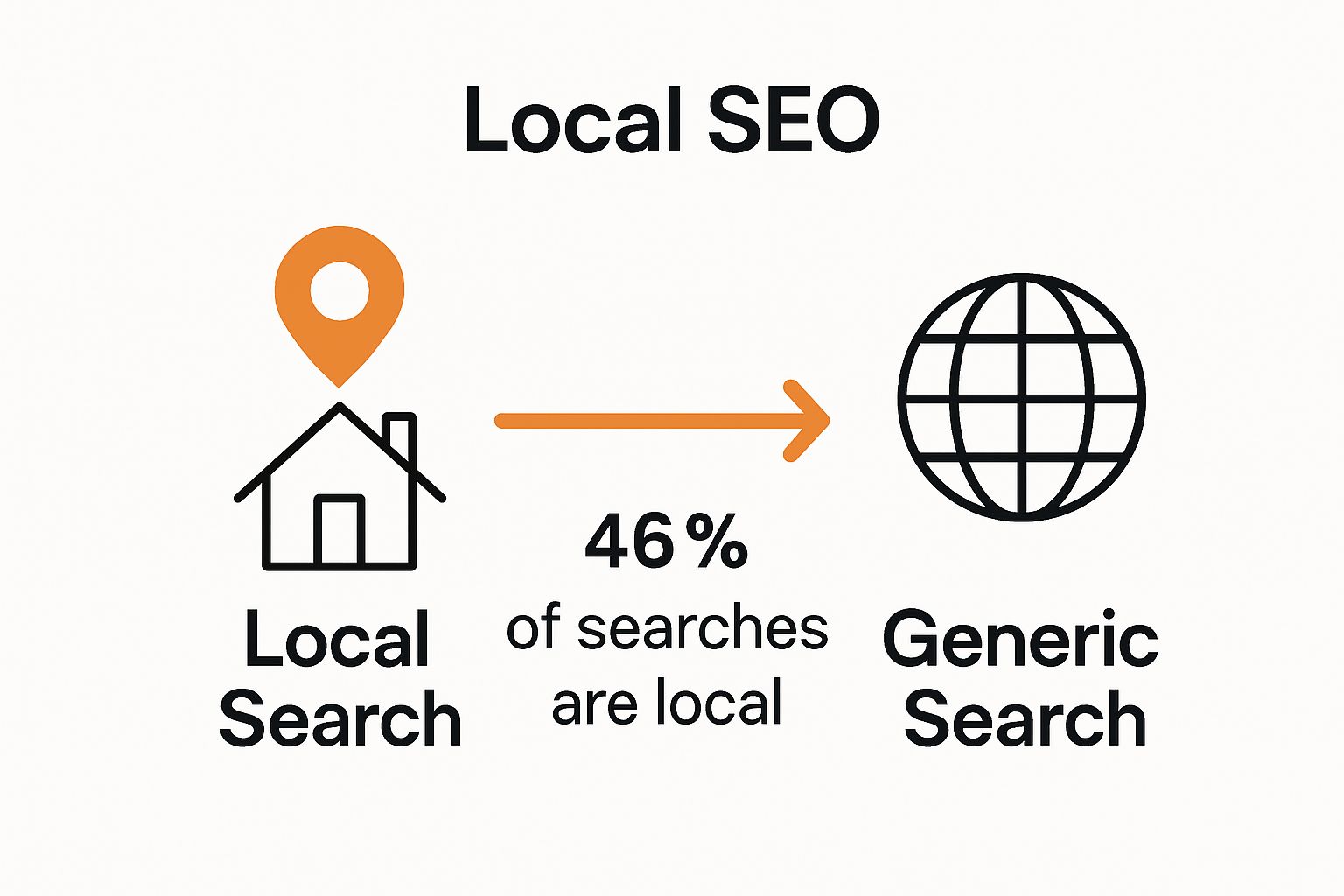
Here’s a stat that should make you sit up: 46% of all Google searches have local intent. And when someone searches for a service in their area, that three-pack of businesses sitting pretty at the top of Google Maps? That’s where the clicks, and the customers, go. This is why you need to rank #1 on Google maps 2026.
If you’re a local business owner (especially in competitive industries like real estate), ranking in the Google Map Pack isn’t optional anymore. It’s survival.
The rules have changed for 2026. The days of “set it and forget it” are dead. Google now rewards businesses that treat their Google Business Profile like a living, breathing asset, not a dusty digital business card.
Let’s break down exactly how to claim that #1 spot.
Understanding Google’s Three Core Ranking Pillars
Before you touch a single setting, you need to understand how Google decides who ranks where. It all comes down to three pillars: Relevance, Distance, and Prominence.

Relevance: Are You What They’re Looking For?
Google matches search queries to businesses based on how well your profile describes what you do. To rank #1 Google Maps 2026 is critical.
How to nail it:
- Choose a precise primary category. If you’re a buyer’s agent, select “Buyer’s Agent” not just “Real Estate Agency.” Specificity wins.
- Load your profile with services. Every service you offer should be listed with detailed descriptions.
- Use natural local keywords. Think “real estate agent in Paddington” not keyword-stuffed gibberish.
Pro tip: Audit your top three competitors. What categories are they using? What services do they list? Match or beat them.
Distance: Location, Location, Location
You can’t fake proximity. If someone searches “real estate agent near me” from Woolloongabba, Google will prioritise businesses close to that searcher.
What you can control:
- Ensure your address is 100% accurate and matches across every platform
- If you service multiple suburbs, your prominence signals can help you rank slightly further out
Prominence: How Well-Known Are You?
This is where the magic happens. Prominence is Google’s measure of how trusted and popular your business is. It’s influenced by:
- Review volume and sentiment
- NAP consistency (Name, Address, Phone) across the web
- Behavioural signals like clicks, calls, and direction requests
The more prominent you are, the more Google trusts you, and the higher you rank.
Optimising Your Google Business Profile (The 32% Factor)
Your Google Business Profile accounts for roughly 32% of your Map Pack ranking. It’s the single most powerful lever you can pull for local SEO in 2026. Make sure you rank #1 Google Maps 2026.
Here’s your optimisation checklist:
| Element | Action Required |
|---|---|
| Business Hours | Update accurately, this is now a major ranking factor |
| Photos | Add high-quality images weekly (properties, team, office) |
| Services | List every service with detailed descriptions |
| Attributes | Fill out all available attributes (wheelchair access, appointments, etc.) |
| Q&A Section | Proactively answer common questions |
| GBP Posts | Publish updates at least weekly |

The shift you need to make: Stop treating your GBP as a one-time setup. The businesses dominating local search in 2026 are updating their profiles weekly, new photos, fresh posts, answered questions.
For real estate agents, this means posting new listings, market updates, suburb insights, and client wins directly to your profile. Your GBP should be as active as your social media.
The Review Strategy That Actually Works
Reviews account for approximately 20% of your Map Pack ranking. But here’s what most businesses get wrong: it’s not about total review count anymore.
Review velocity is king.
Two reviews per month, consistently, will outrank a business that collected 50 reviews last year and then went quiet.
Building Sustainable Review Momentum
- Ask at the right moment. For real estate, that’s settlement day or after a successful auction, when emotions are high.
- Make it ridiculously easy. Send a direct link to your Google review page via SMS.
- Respond to every single review. Yes, even the good ones. Especially the good ones. This signals active engagement to Google.
- Don’t panic about the occasional negative. A thoughtful response to criticism can actually build trust.
The 2026 reality: Google is getting smarter at detecting fake or incentivised reviews. Focus on genuine feedback from real clients. Quality and consistency beat quantity.
On-Page SEO and Behavioural Signals
Your website anchors your Google Business Profile. If your site is weak, your Map Pack performance suffers.
Create Hyperlocal Content
Generic “we service Brisbane” pages won’t cut it. You need dedicated pages for each suburb you target.
For real estate agents, this means:
- Individual suburb profile pages with genuine local insights
- Market update content specific to each area
- Neighbourhood guides that showcase your local expertise
Avoid the trap: Don’t just swap out suburb names on templated pages. Google recognises this lazy approach. Each page needs unique, valuable content.

Optimise for Behavioural Signals
Google tracks what users do after they find your listing:
- Clicks to your website
- Calls directly from your profile
- Direction requests (the highest-intent signal)
How to maximise these signals:
- Add clear CTAs: “Call Now,” “Book a Free Appraisal,” “Get Directions”
- Ensure your phone number is clickable on mobile
- Make your address prominent and linked to maps
Cross-Platform Visibility: Beyond Google
Here’s what savvy local marketers know: Google isn’t the only game in town anymore.
Bing Places and ChatGPT
ChatGPT pulls local business data from Bing. If you’re not optimised there, you’re invisible to a growing segment of searchers using AI assistants.
Action step: Claim and optimise your Bing Places listing. It takes 15 minutes and could open up an entirely new discovery channel.
Apple Business Connect
For iPhone users (roughly half your potential clients), Apple Maps matters. Apple Business Connect lets you manage your listing across Maps, Siri, and Wallet.
Bonus: Apple’s “Showcases” feature lets you highlight offers and content: engagement signals that reinforce your brand prominence.
Your AI Visibility Score
This is the new metric for 2026: how often do AI tools like ChatGPT, Perplexity, and Google’s Gemini cite your business when answering local queries?
Consistent NAP data, strong reviews, and authoritative local content all feed into this emerging ranking factor.
The Citation Foundation
Your NAP consistency (Name, Address, Phone) across the web remains foundational.
Every directory, every social profile, every mention of your business should display identical information. One wrong digit in your phone number, one outdated address: these inconsistencies erode your prominence.
Priority citations for real estate agents:
- RateMyAgent
- RealEstate.com.au
- Domain
- Local business directories
- Industry association listings
Audit these quarterly. Fix any discrepancies immediately.
The Final Ranking Factor: Relentless Consistency
Here’s the truth that separates businesses that rank #1 from everyone else: consistency beats intensity.
A burst of activity followed by months of neglect won’t get you to the top. Google rewards sustained effort over time.
Your weekly Map Pack maintenance routine:
- Add 2-3 new photos to your GBP
- Publish at least one GBP post
- Request 1-2 reviews from recent clients
- Answer any new Q&A questions
- Check for and respond to new reviews
This isn’t glamorous work. But it’s the work that wins.
Ready to Dominate Your Local Area?
Ranking #1 on Google Maps in 2026 isn’t about tricks or hacks. It’s about treating your Google Business Profile as the powerful marketing asset it is: and committing to consistent, strategic optimisation.
The businesses that show up every week, add value, and actively manage their local presence are the ones claiming those top spots.
Want to own your suburb without the grind? Our Local Authority Maintenance service handles the heavy lifting: so you can focus on closing deals while we keep you visible.

Understanding Why Local SEO Matters for Real Estate
Local SEO is changing the way home buyers and sellers connect with real estate agents in their own neighborhoods. And get this. 46% of all Google searches now have local intent, which means nearly half of online house-hunters are searching for answers right where they live. Most agents still focus only on broad search terms, but the agents who win clients today are the ones who master hyperlocal visibility and become the top choice just down the street.
Table of Contents
- Defining Local Seo And Its Importance In Real Estate
- The Impact Of Local Search On Consumer Behavior
- How Local Seo Enhances Online Visibility For Agents
- Key Components Of Effective Local Seo Strategies
- Real-World Examples Of Local Seo Success In Real Estate
Quick Summary
| Takeaway | Explanation |
|---|---|
| Optimize Your Google Business Profile | Ensure your profile has accurate information to improve local visibility. |
| Focus on Hyperlocal Content Creation | Develop content tailored to specific neighborhoods to engage local clients effectively. |
| Leverage Online Reviews for Credibility | Encourage clients to leave positive reviews to build trust in your services. |
| Use Location-Specific Keywords | Incorporate local keywords to enhance search rankings in targeted areas. |
| Maintain Consistency Across Platforms | Keep business information uniform on all online platforms to boost local SEO success. |
Defining Local SEO and Its Importance in Real Estate
Local SEO represents a strategic digital marketing approach specifically designed to help businesses increase their visibility in geographically targeted search results. For real estate professionals, this means optimizing online presence to attract potential clients within specific neighborhoods, suburbs, or regional areas.
What Exactly is Local SEO?
Local SEO goes beyond traditional search engine optimization by focusing on location-specific search signals. In real estate, this translates to helping potential buyers and sellers find your services when searching for property-related information in their immediate geographic area. Local SEO for real estate involves multiple tactics designed to improve your visibility in local search results.
Key components of local SEO for real estate include:
- Optimizing Google Business Profile with accurate business information
- Creating location-specific content targeting particular suburbs or neighborhoods
- Building local citations and consistent business information across online platforms
- Generating location-based reviews from satisfied clients
Why Local SEO Matters for Real Estate Professionals
According to Google’s Local Search Ranking Factors Study, 46% of all Google searches have local intent, making local SEO critical for real estate agents seeking to capture targeted leads. By implementing strategic local SEO practices, agents can significantly improve their chances of appearing in “near me” searches and map pack results.
For real estate professionals, local SEO is not just about ranking higher in search results. It’s about establishing credibility, demonstrating local expertise, and connecting with potential clients who are actively searching for property services in specific areas. By focusing on hyperlocal optimization strategies, agents can differentiate themselves from competitors and become the go-to real estate expert in their target market.
The Impact of Local Search on Consumer Behavior
Local search has fundamentally transformed how consumers discover, evaluate, and interact with businesses, particularly in service-oriented industries like real estate. The digital landscape has shifted consumer expectations, making immediate, geographically relevant information a critical factor in decision-making processes.
Understanding Consumer Search Patterns
Modern consumers have become increasingly sophisticated in their search behaviors, preferring hyper-targeted results that provide precise, localized information. In real estate, this means potential buyers and sellers are not just searching for generic property listings, but seeking agents, market insights, and property details specific to their immediate neighborhood or suburb.
Key characteristics of local search consumer behavior include:
- Preference for immediate, location-specific results
- High reliance on mobile devices for quick information retrieval
- Strong emphasis on user-generated content and local reviews
- Expectation of personalized, contextually relevant search experiences
Trust and Credibility in Local Searches
According to research from the National Association of Realtors, 97% of homebuyers use the internet during their property search, demonstrating the profound impact of digital platforms on real estate consumer behavior. Local search results play a crucial role in establishing trust and credibility.
Consumers view businesses with strong local search presence as more legitimate and trustworthy. For real estate professionals, this means that appearing in local search results is not just about visibility, but about creating a perception of local expertise and reliability. By consistently delivering accurate, location-specific information, agents can build digital credibility that translates into real-world client relationships.
The evolution of local search has fundamentally reshaped how consumers make purchasing decisions, turning geographical relevance into a key differentiator in competitive markets like real estate.
This table highlights research-backed statistics and their implications for local SEO and real estate agents, helping illustrate the importance and impact of local search strategies.
| Statistic | Source | Significance for Real Estate Agents |
|---|---|---|
| 46% of Google searches have local intent | BrightLocal, Moz | Indicates nearly half of searchers want local information. |
| 97% of homebuyers use the internet to search | National Association of Realtors | Confirms the digital-first behavior of today’s clients. |
| 44% of local pack results get click-throughs | Moz | Highlights the value of optimizing for Google’s local map pack. |
| 87% of consumers read reviews for local business | BrightLocal | Underscores the role of reviews in consumer trust decisions. |
How Local SEO Enhances Online Visibility for Agents
Local SEO serves as a powerful digital strategy that transforms how real estate professionals attract and engage potential clients in an increasingly competitive online marketplace. By strategically optimizing digital presence, agents can significantly amplify their visibility and reach within specific geographic territories.
Strategic Digital Positioning
Effective local SEO enables real estate agents to position themselves precisely where potential clients are searching. This means appearing prominently in local search results, map listings, and location-based queries that directly target individuals seeking property services in specific suburbs or neighborhoods.
Key strategic advantages of local SEO for real estate agents include:
- Targeting hyperlocal search queries with precision
- Increasing organic visibility in geographic-specific searches
- Building credibility through location-based content and reviews
- Competing effectively against larger real estate agencies
Maximizing Digital Real Estate
Real estate agent visibility depends on understanding and leveraging digital platforms strategically. According to Moz’s Local Search Ranking Factors, Google’s local pack results receive approximately 44% of all click-through traffic, making local SEO optimization crucial for capturing potential client attention.
Successful local SEO implementation goes beyond simple keyword optimization. It requires a comprehensive approach that includes consistent business information across online platforms, generating location-specific content, managing online reviews, and creating a robust Google Business Profile that accurately represents an agent’s local expertise and service areas.
By mastering local SEO techniques, real estate professionals can transform their digital presence from passive online listings to dynamic, engaging platforms that actively attract and convert potential clients in their target markets.

Key Components of Effective Local SEO Strategies
Local SEO demands a multifaceted approach that goes beyond simple keyword optimization. Real estate professionals must develop a comprehensive strategy that integrates multiple digital marketing elements to establish strong local online presence and credibility.
Foundational Local SEO Elements
Successful local SEO strategies for real estate agents require precise, strategic implementation across multiple digital platforms. This means creating a cohesive online ecosystem that signals local expertise and geographic relevance to both search engines and potential clients.
Critical foundational elements include:
- Consistent business name, address, and phone number across all online platforms
- Comprehensive and accurate Google Business Profile optimization
- Location-specific website content highlighting neighborhood expertise
- Strategic use of local keywords reflecting specific suburban markets
Technical and Content Optimization
Local real estate marketing requires careful attention to technical details and content quality. According to Ahrefs’ Local SEO Guide, successful strategies integrate precise technical optimization with high-quality, location-specific content that demonstrates deep understanding of local property markets.
Real estate professionals must focus on creating rich, informative content that addresses specific local market conditions, neighborhood insights, and hyperlocal property trends. This approach not only improves search engine rankings but also establishes the agent as a trusted local expert who understands the nuanced dynamics of specific geographic areas.
By implementing a holistic local SEO strategy, real estate agents can transform their digital presence from generic online listings to powerful, targeted marketing platforms that directly connect with potential clients in their specific service areas.
To clarify the foundational elements and technical strategies essential for effective local SEO in real estate, the table below breaks down the core components and their descriptions.
| Local SEO Component | Description |
|---|---|
| Consistent Business Information | Ensure name, address, and phone number are the same across all online platforms. |
| Google Business Profile Optimization | Keep your Google Business Profile accurate and complete to enhance local search visibility. |
| Location-Specific Website Content | Develop content focused on specific neighborhoods or suburbs to demonstrate local expertise. |
| Strategic Use of Local Keywords | Incorporate geographic keywords relevant to your service area for better targeted search results. |
| High-Quality Local Content | Publish in-depth, informative articles reflecting local market conditions and trends. |
| Online Review Management | Actively generate and manage reviews from local clients to build trust and authority. |
Real-World Examples of Local SEO Success in Real Estate
Local SEO represents more than a theoretical concept for real estate professionals. It is a practical strategy that can dramatically transform digital marketing effectiveness, enabling agents to capture targeted leads and establish neighborhood expertise through strategic online positioning.
Hyperlocal Content Strategies
Successful local SEO implementation requires agents to develop content that speaks directly to specific community needs and interests. This means creating detailed, location-specific resources that demonstrate deep understanding of particular suburbs, market trends, and neighborhood dynamics.
Key characteristics of successful hyperlocal content include:
- Detailed neighborhood guides with insider perspectives
- Market analysis specific to individual suburbs or districts
- Local market trend reports with current property insights
- Localized case studies highlighting recent property transactions
Measurable Impact and Conversion Potential
Location-based hashtags can play a significant role in amplifying local visibility. According to BrightLocal’s Local Consumer Review Survey, 87% of consumers read online reviews for local businesses in 2022, underscoring the critical importance of generating localized, trustworthy digital content.
Real estate agents who successfully implement local SEO strategies can experience remarkable outcomes. By developing targeted content that addresses specific community needs, agents transform their digital presence from generic listings to powerful, hyper-relevant marketing platforms that directly connect with potential clients in their precise service areas.
Through strategic local SEO approaches, real estate professionals can effectively differentiate themselves in competitive markets, demonstrating not just property expertise, but genuine community understanding and connection.
Take Control of Local Search and Become the Go-To Real Estate Expert
Are you struggling to stand out in your local market? The article made it clear: real estate clients are looking for agents who not only show up in suburb-level searches but also demonstrate true neighborhood expertise. With buyers relying on hyperlocal searches and online reviews, missing out on local SEO for real estate means leaving valuable opportunities on the table. It is time to stop feeling invisible or overwhelmed by the competition. Let the pain of low visibility propel you toward a better solution.

Let Content Charlie transform your online presence. Gain immediate traction with suburb-specific content, property descriptions, and Google Business Profile optimization that puts you in front of motivated buyers and sellers. Visit Content Charlie today and discover how our copywriting and proven real estate agent visibility strategies can help you dominate your market. Book your free discovery call now and make sure you are the agent local clients remember.
Frequently Asked Questions
What is local SEO and why is it important for real estate?
Local SEO is a digital marketing strategy that helps real estate professionals optimize their online presence for geographically targeted searches. It is important because it increases visibility among potential clients actively searching for property services in their area. Focus on optimizing your Google Business Profile and creating location-specific content to enhance your local search presence.
How can I improve my local search rankings as a real estate agent?
To improve your local search rankings, ensure that your business name, address, and phone number are consistent across all online platforms. Additionally, optimize your website with local keywords and generate positive reviews from satisfied clients. Take these actions to see improvements in local search visibility within 60 days.
What role does online reviews play in local SEO for real estate?
Online reviews significantly impact local SEO as they enhance credibility and trust among potential clients. Actively encourage satisfied clients to leave reviews on your Google Business Profile and other platforms to boost your visibility and attract more leads. Aim to gather at least five to ten new reviews each month.
Why should I create location-specific content for my real estate website?
Creating location-specific content helps demonstrate your expertise in specific neighborhoods or suburbs, making your services more relevant to potential clients. This targeted approach improves your local search rankings and attracts clients looking for detailed information about their desired area. Develop at least one piece of location-focused content each month to maintain relevance.
How can local SEO help me stand out from larger real estate agencies?
Local SEO can help you differentiate yourself by highlighting your specialized knowledge of local markets and community needs. By focusing on hyperlocal optimization strategies and personalized content, you can build stronger connections with potential clients. Implement tailored marketing strategies to position yourself as the go-to local expert and increase client engagement in your target market.
What should I monitor to measure the success of my local SEO efforts?
To measure the success of your local SEO efforts, monitor key metrics such as website traffic from local searches, the number of leads generated, and your rankings in local search results. Tools like Google Analytics can help you track these metrics over time. Review your progress every month to adjust your strategies effectively.
Recommended
- local SEO for real estate Archives – Content Charlie
- Local SEO Archives – Content Charlie
- real estate SEO Archives – Content Charlie
- SEO for realtors Archives – Content Charlie