
- You are here:
- Home »
- email capture
Tag Archives for " email capture "

The Ultimate Guide to Real Estate Agent Lead Generation: Everything You Need to Succeed in 2026
Real estate agent lead generation has fundamentally changed. 28% of agents prioritize selling more homes, 19% focus on increasing referrals, and 14% want to generate more leads: but most are using outdated strategies that worked five years ago.
The agents crushing it in 2026 aren’t relying on a single magic bullet. They’re building integrated systems that combine digital presence, personal relationships, and AI efficiency to create consistent lead flow month after month.
Whether you’re a new agent struggling to get your first listing or a veteran looking to scale, this guide breaks down exactly what’s working right now.
Digital Real Estate Agent Lead Generation: Your 24/7 Sales Machine
Website & SEO Optimization
Your website needs to work harder than ever. Neighborhood-specific landing pages are absolutely crushing it right now. Create dedicated pages for each area you serve, packed with local market data, school information, and community highlights.
Here’s what converts:
• Weekly market update blogs featuring price trends and neighborhood spotlights
• IDX-integrated home search that captures visitor information before showing full details
• Downloadable buyer/seller guides in exchange for email addresses
• Live chat functionality for real-time engagement
• Virtual tour galleries of past listings to showcase your marketing skills

Optimize for “near me” searches by including service areas prominently throughout your site. Retargeting pixels keep you top-of-mind with visitors who didn’t convert immediately.
Social Media Marketing That Actually Converts
Stop posting random listing photos and start building a content system. High-quality photos and virtual tours are just the baseline: you need strategic variety.
Content that generates leads:
• Speed tours of new listings (60-second Instagram Reels)
• Before-and-after transformation stories
• Client testimonial videos
• Live Q&A sessions about buying/selling processes
• Behind-the-scenes content that builds personal connection
Targeted Facebook and Instagram ads reach people actively searching for homes in specific areas. But here’s the key: don’t just promote listings. Promote your expertise with market reports, neighborhood guides, and first-time buyer workshops.
Email & CRM Automation
Automated drip campaigns are non-negotiable in 2026. Set up sequences based on specific interests: buyers get different content than sellers or investors.
High-performing email campaigns:
• Segmentation by life stage: downsizing, first-time buying, investment opportunities
• Lead scoring that prioritizes follow-up with most engaged prospects
• Anniversary emails on past clients’ home purchase dates
• Personalized video greetings for birthdays and holidays
• Market condition alerts when prices drop in their areas of interest
Your CRM should automatically track engagement and trigger the next touchpoint. If someone opens three emails about investment properties, they get added to your investor nurture sequence.

Paid Advertising: High-Intent Prospects
Google Ads capture prospects at the exact moment they express interest. These high-intent keywords reach potential clients actively searching for solutions, making them incredibly valuable leads with measurable ROI; essential in real estate agent lead generation 2026.
Focus on:
• Local buying/selling keywords (“homes for sale in [city]”)
• Problem-solving searches (“how to sell house fast”)
• Neighborhood-specific queries (“[neighborhood] real estate agent”)
Facebook lead generation ads work best when targeting specific demographics in your farm area with compelling property showcases or exclusive market reports.
AI-Enhanced Real Estate Lead Generation: The Competitive Advantage
AI predictive analytics identify homeowners most likely to sell based on life events, equity position, expired listings, and current market conditions. This isn’t science fiction: it’s happening right now.
AI tools that generate real leads:
• 24/7 chatbots that qualify leads, answer questions, and schedule appointments
• AI-powered content creation for personalized property descriptions and social media posts
• Voice assistants for follow-up calls that handle initial qualification
• Predictive lead scoring analyzing behavioral patterns across your database
• AI-generated virtual staging transforming empty rooms into furnished showcases
AI-powered video personalization automatically inserts prospect names and property details into marketing videos. Imagine sending a personalized video tour of a property with the prospect’s name in the opening frame.

Traditional Networking: Still Essential in 2026
Digital doesn’t replace relationships: it amplifies them. In-person events where agents, investors, and wholesalers connect remain gold mines for quality leads.
High-ROI networking opportunities:
• Local meetups and conferences (Inman Connect, NAR Conference)
• Community events like home expos and charity fundraisers
• Neighborhood coffee meetups discussing market trends
• Builder partnerships for new construction referrals
• Facebook and LinkedIn groups where agents share leads and insights
Even with digital advancement, offline networking builds genuine relationships that lead to consistent referrals. The key is strategic follow-up that moves online connections into real business.
Direct Outreach: Proactive Real EstateLead Generation
With accurate contact data, you can reach potential sellers before they list their homes. This proactive approach consistently generates exclusive leads that competitors never see.
Effective outreach strategies:
• Calling or texting homeowners in high-activity neighborhoods
• Personalized emails to owners thinking about selling
• Direct mail campaigns to areas with recent sale activity
• Social media messaging to expired listing owners
• Video messages for warm introductions
The key is providing immediate value: market updates, neighborhood insights, or exclusive off-market opportunities: rather than generic sales pitches.

Follow-Up: Converting Contacts to Clients
Meeting people is step one. Following up turns connections into actual business. Most agents fail here because they lack a systematic approach to nurturing relationships over time.
High-converting follow-up tactics:
• Quick texts or emails within 24 hours of meeting someone
• Value-driven content sharing useful resources and market updates
• Scheduled check-ins that can lead to deals, partnerships, or referrals
• CRM-based automation maintaining consistent touchpoints
• Engagement-based prioritization focusing energy on most responsive prospects
Pro tip: Track every interaction in your CRM and set automatic reminders for follow-up. The fortune is in the follow-up, but only if you actually do it consistently.
Your 2026 Action Plan
Start with one strategy from each category rather than trying to implement everything at once. Pick the tactics that align with your strengths and market conditions.
Week 1-2: Set up basic CRM automation and create neighborhood-specific landing pages
Week 3-4: Launch one social media campaign and implement website chat functionality
Week 5-6: Begin direct outreach in your target neighborhoods
Week 7-8: Add AI tools for lead qualification and content creation
Track everything. What gets measured gets improved. Your lead generation system should produce predictable results that you can scale month after month.
The agents dominating 2026 aren’t using secret tactics: they’re executing proven strategies with systematic consistency. Your competition is still posting random listing photos on social media while you’re building a lead generation machine that works around the clock.


Real Estate Website Essentials: Complete Guide for Agents
Having the right Real Estate Website Essentials will have you ahead of 99% of other real estate website, if you implement the steps below.
Nearly 97 percent of home buyers search online for properties before reaching out to an agent. Your real estate website is your strongest tool for attracting new clients and keeping your business visible. Building a platform that combines stunning visuals, seamless searches, and mobile-friendly design can set you apart in a crowded market, creating a smoother path from browsing to closed deals.
Key Takeaways
| Point | Details |
|---|---|
| Core Features | Effective real estate websites must include advanced property search tools, high-quality visual content, lead generation mechanisms, and trust signals to convert visitors into clients. |
| Local SEO Importance | Local SEO strategies are vital for enhancing visibility, involving consistent business citations, structured data markup, and geographic keyword targeting to attract potential clients within specific areas. |
| Lead Conversion Tools | Implementing technologies like IDX lead tracking, email drip campaigns, and behavior analytics can significantly improve lead capture and nurture strategies on real estate websites. |
| Accessibility Compliance | Ensuring websites meet digital accessibility standards is essential not only for legal compliance but also for fostering an inclusive experience for all potential clients. |
Table of Contents
- Defining Real Estate Website Essentials
- Core Features Every Real Estate Website Needs
- SEO Requirements For Local Real Estate Search
- Lead Generation And Conversion Strategies
- Legal Compliance And Accessibility Standards
- Common Website Mistakes To Avoid
Defining Real Estate Website Essentials
Your real estate website esentials are more than just a digital business card – it’s your 24/7 online sales representative that works harder than you ever could. According to AgentFire, successful agent websites combine professional visual branding with strategic digital tools that convert casual browsers into serious clients.
The core essentials of a powerful real estate website revolve around several critical features:
- Property Search Functionality: Advanced filters for location, price, and bedrooms
- Visual Content: High-quality property photos, virtual tours, neighborhood videos
- Lead Generation: Accessible contact forms, email capture mechanisms
- Trust Signals: Client testimonials, third-party reviews, professional credentials
Mobile performance isn’t just a bonus – it’s mandatory. According to PropertyEasy, your website must deliver a seamless experience across devices. This means lightning-fast loading times, stable layouts, and responsive design that adapts to smartphones, tablets, and desktops without losing visual appeal or functionality.
Beyond basic features, modern real estate websites leverage sophisticated tools like AI-powered content creation, visitor behavior analytics, and integrated CRM systems. These technologies transform your website from a passive information portal into an active lead-generation machine that works continuously to expand your client base and demonstrate your local market expertise.
Core Features Every Real Estate Website Needs
Building a high-performance real estate website requires more than just aesthetics – it demands strategic functionality that converts visitors into clients. According to AgentFire, successful websites blend professional design with advanced technological capabilities.
The foundational features every real estate website must include are:
- Advanced Property Search: Robust filtering by location, price, bedrooms, amenities
- Multimedia Showcase: High-resolution property images, 360-degree virtual tours
- Mobile Responsiveness: Seamless performance across smartphones, tablets, desktops
- Lead Capture Mechanisms: Strategic contact forms, email signup prompts
- Trust Signals: Client testimonials, professional credentials, third-party reviews
Conversion optimization goes beyond basic website elements. Modern websites integrate sophisticated tools like visitor behavior tracking, AI-powered content generation, and automated email drip campaigns. According to PropertyEasy, these technologies transform your digital presence from a static brochure into an active client acquisition engine.
The key is creating real estate website essentials that doesn’t just display properties, but provides an immersive, interactive experience that guides potential clients through their home-searching journey. This means fast loading times, intuitive navigation, compelling visual storytelling, and clear pathways to connect with you as a trusted local real estate professional.
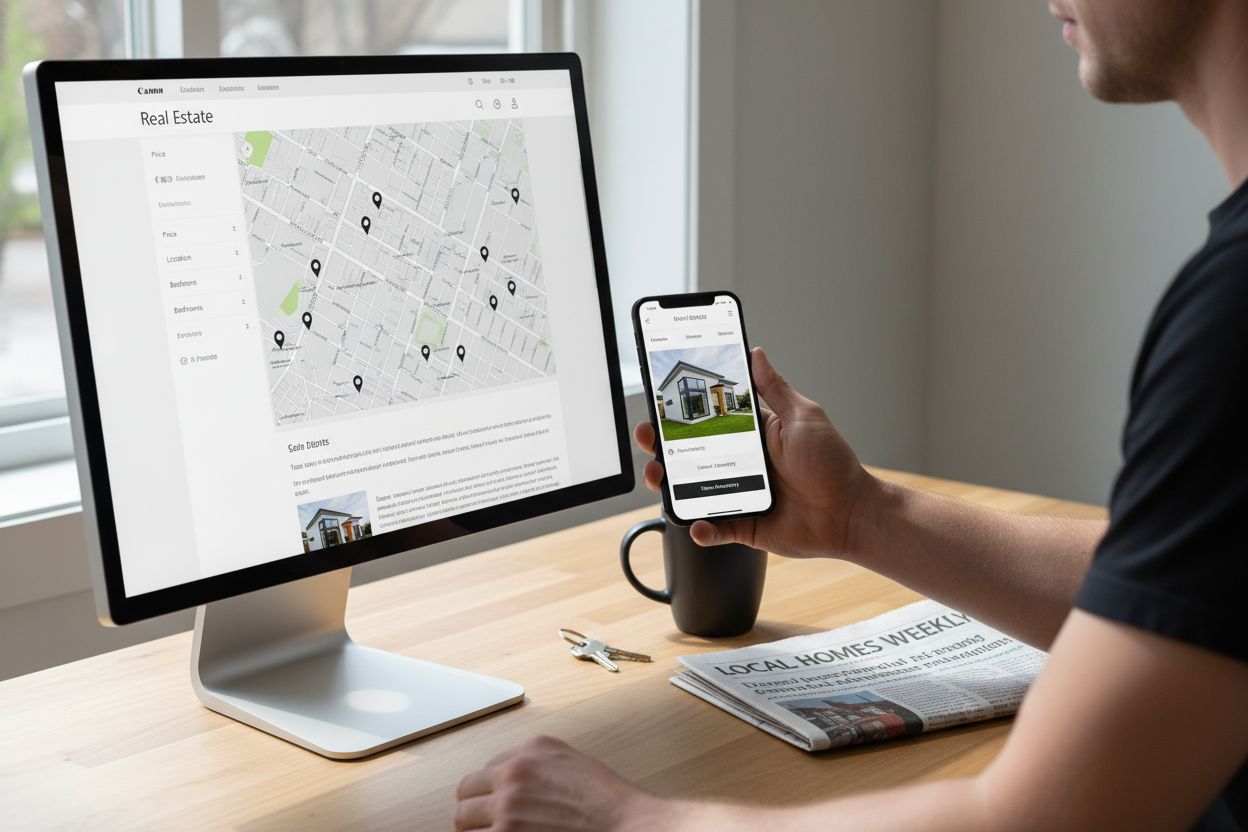
Here’s a comparison of essential real estate website features:
| Feature | Purpose | Examples |
|---|---|---|
| Property Search | Helps users find suitable listings | Advanced filters Map view |
| Visual Content | Boosts engagement and trust | High-res photos Virtual tours |
| Lead Generation | Captures potential client info | Contact forms Email signups |
| Trust Signals | Builds credibility | Testimonials Third-party reviews |
| Mobile Responsiveness | Ensures seamless device experience | Fast load Responsive layout |
| Behavior Analytics | Tracks and improves site performance | Visitor heatmaps Funnel tracking |
SEO Requirements for Local Real Estate Search
Local SEO is the secret weapon that transforms your real estate website from invisible to irresistible in search results. Understanding why local SEO matters begins with recognizing that potential clients search for properties and agents within specific geographic boundaries.
According to Search Engine Journal, successful local SEO for real estate professionals hinges on several critical strategies:
- Consistent Business Citations: Accurate listings across Google Business Profile and local directories
- Structured Data Markup: Implementing schema for RealEstateAgent, Offer, and Residence categories
- Hyper-Local Content: Creating neighborhood-specific pages and property guides
- Geographic Keyword Targeting: Incorporating location-specific terms naturally
The most effective local SEO approach goes beyond basic optimization. According to LSEO, modern real estate agents must develop content clusters that target specific neighborhoods, leverage social media channels for content distribution, and actively seek backlinks from local influencers and publications.
Your ultimate goal is to become the go-to digital resource for local property information.
This means creating content that answers specific local buyer questions, showcasing your deep understanding of neighborhood dynamics, and ensuring your website speaks directly to the unique needs of potential clients in your specific market area.
Lead Generation and Conversion Strategies
Transforming website visitors into potential clients requires a strategic approach that goes beyond simple contact forms. Types of real estate leads vary, and your digital strategy must be sophisticated enough to capture and nurture each unique visitor’s interest.
According to AgentFire, advanced lead generation technologies now offer powerful tools for real estate professionals:
- IDX Lead Tracking: Monitor visitor interactions and property interests
- Email Drip Campaigns: Automated, personalized communication sequences
- CRM Integration: Seamless contact management and follow-up tracking
- AI Content Generation: Dynamic, targeted messaging based on user behavior
- Behavior Analytics: Heat mapping and funnel tracking to optimize conversion paths
Visitor trust is the cornerstone of successful lead conversion. As PropertyEasy highlights, this means prominently featuring compelling testimonials, high-quality property visuals, and virtual tours that demonstrate your professionalism and local market expertise.
The most effective websites create a frictionless journey from initial curiosity to client engagement.
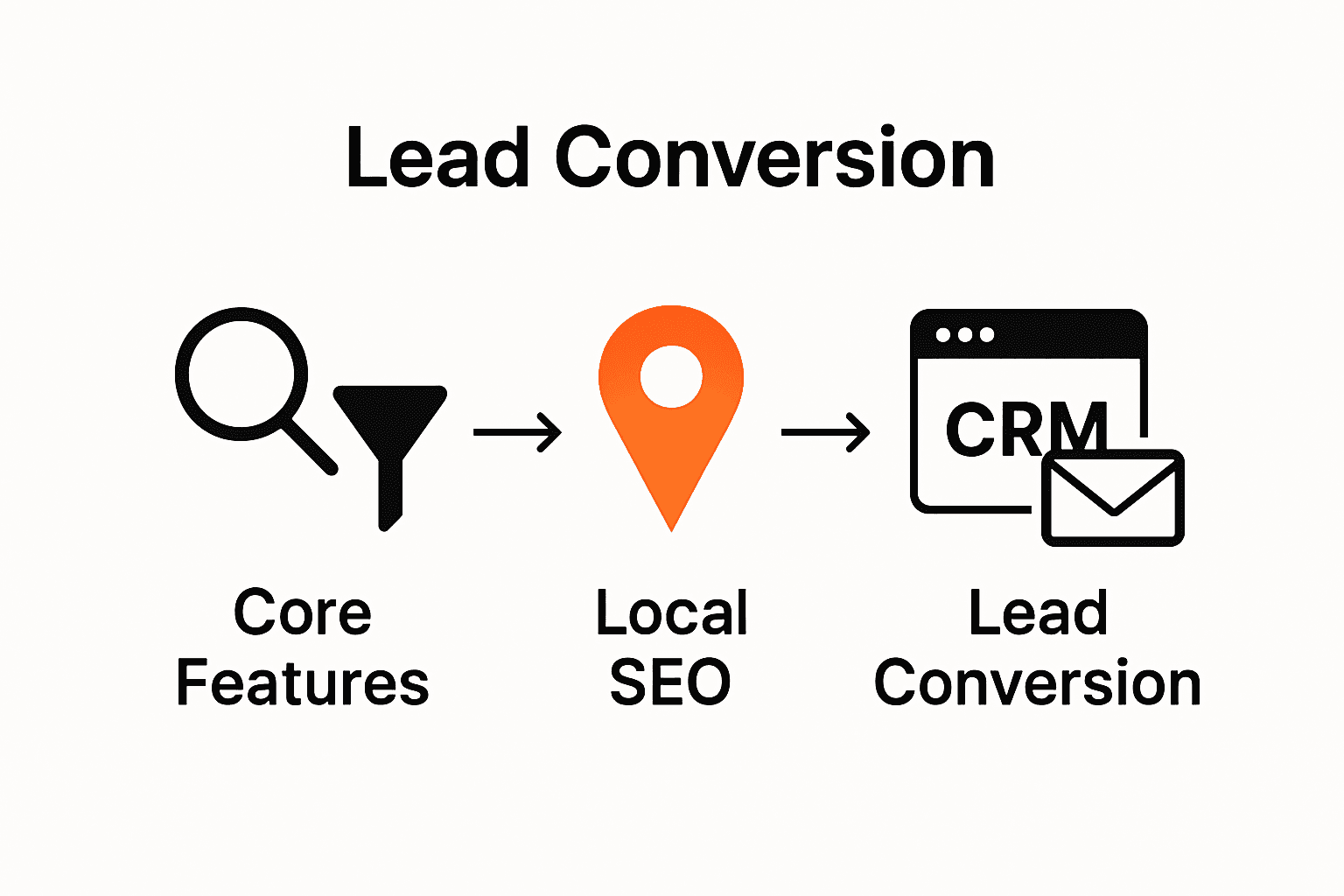 This means intuitive design, crystal-clear contact information, and strategic calls-to-action that guide potential clients exactly where they want to go – closer to finding their perfect property with your expert assistance.
Legal Compliance and Accessibility Standards
Digital accessibility is no longer optional for real estate websites – it’s a legal and ethical imperative. Ensuring your online platform is inclusive means creating an experience that welcomes every potential client, regardless of their physical abilities or technological constraints.
According to Wikipedia, the Web Content Accessibility Guidelines (WCAG) 2.2 provide a comprehensive framework for creating accessible digital experiences. These internationally recognized standards focus on four fundamental principles:
- Perceivable: Information must be presentable to users in ways they can perceive
- Operable: User interface and navigation must be functional for all users
- Understandable: Content and operation must be clear and comprehensible
- Robust: Content must be compatible with current and future assistive technologies
Real estate websites have unique challenges in meeting these standards. This means ensuring your property listings, contact forms, search functions, and multimedia content are fully navigable by screen readers, compatible with keyboard-only navigation, and designed with sufficient color contrast and text sizing.
Beyond technical compliance, accessible design demonstrates your commitment to inclusivity. It signals to potential clients that you value every individual’s experience, understand diverse user needs, and are committed to providing a welcoming, professional digital environment that respects and accommodates all users.
Common Website Mistakes to Avoid
Website design can make or break your real estate digital presence. One misstep could mean losing potential clients before they even understand what you offer. Lead generation ideas for real estate start with avoiding critical digital pitfalls that undermine your professional image.
According to Type North, the most common website mistakes that sabotage real estate professionals include:
- Mobile Unresponsiveness: Sites that don’t adapt to smartphone screens
- Cluttered Homepage: Overwhelming visitors with too much information
- Weak Calls-to-Action: Unclear or missing contact pathways
- Low-Quality Property Listings: Incomplete or unappealing property descriptions
- Slow Page Loading: Performance that frustrates potential clients
- Neglected Local SEO: Invisible in local property search results
Navigation complexity is another silent killer of user experience. Your website should feel intuitive, with clear menus, logical property search functions, and streamlined paths to contact you. Think of your website as a digital storefront – it should invite exploration, not create confusion.
The most successful real estate websites transform technical requirements into storytelling opportunities. This means creating a digital experience that’s not just functional, but engaging – where every pixel communicates your professionalism, local expertise, and commitment to helping clients find their dream property.
Ready to Transform Your Real Estate Website Into a Local Lead Magnet?
You read about the must-have features for a real estate website, but bringing those essentials to life is a challenge. Many agents struggle with weak property listings, missing trust signals, and a website that just does not show up when locals search for homes or advice. Without powerful copywriting and suburb-specific SEO, you risk falling behind competitors who connect with buyers and sellers right where they live.

At Content Charlie, we turn your knowledge into high-converting web pages, suburb guides, and blog posts that climb Google results. Our team specializes in conversion optimization and local SEO, giving your site mobile-first performance, powerful lead generation, and content that earns trust in your neighborhood. If you want to stand out as the top agent in your suburb, act now and let us create a real estate website that converts visitors into lifelong clients. Start growing your local visibility with Content Charlie today.
Frequently Asked Questions
What are the essential features of a real estate website?
The essential features of a real estate website include advanced property search functionality, high-quality visual content, lead generation tools, trust signals like testimonials, and mobile responsiveness to ensure accessibility across devices.
How can local SEO impact my real estate website’s visibility?
Local SEO helps improve your real estate website’s visibility by optimizing for specific geographic keywords, ensuring consistent business citations, and creating hyper-local content that resonates with local buyers, thereby attracting more relevant traffic to your site.
What strategies can I use for effective lead generation on my real estate website?
Effective lead generation strategies include implementing IDX lead tracking, using email drip campaigns for nurturing leads, integrating customer relationship management (CRM) systems, and deploying behavior analytics to understand visitor interactions and optimize conversions.
How can I ensure my real estate website is accessible to all users?
To ensure your real estate website is accessible, adhere to the Web Content Accessibility Guidelines (WCAG) by making information perceivable, operable, understandable, and robust, ensuring compatibility with assistive technologies and providing a user-friendly experience for individuals with disabilities.
Recommended
- 7 Types of Real Estate Content Every Agent Should Use – Content Charlie
- Greg Reed, Author at Content Charlie
- 7 Essential Social Media Tips for Agents – Content Charlie
- 7 Essential Types of Real Estate Leads Agents Must Know – Content Charlie
- SEO for Real Estate Agencies: Simple Strategies to Grow Your Business
- Website Design Guide for Builders: Create a Winning Website – ResponsiveWebsiteDesign