- You are here:
- Home »
- Archive: January, 2026
Archive Monthly Archives: January 2026

Your Website Sounds Like Everyone Else , And That's Why You're Losing Jobs
Here's a hard truth: a potential client just visited your website, scrolled for about seven seconds, and clicked away to your competitor. Not because their site looked better. Not because they had lower prices. But because your website sounded exactly like every other professional in your industry.
You've invested in professional photography. You've got a clean layout. Your services are clearly listed. So why aren't you converting visitors into leads?
The answer is painfully simple, your copy is invisible. It blends into the sea of sameness that floods every industry, from real estate to consulting to trades. And in a world where prospects make snap judgments, sounding generic is the fastest way to lose jobs you never even knew were on the table.
The Hidden Cost of Sounding Like Everyone Else
Consider this: when someone lands on your website, they're not just browsing. They're actively comparing you to the three or four other tabs they have open. Your competitors. The question running through their mind isn't "Is this person qualified?" It's "Why should I choose THIS person over everyone else?"
When your website can't answer that question in seconds, you've already lost.
Generic website copy creates a trust deficit. Here's why:
- It signals laziness , If you can't be bothered to articulate what makes you different, prospects wonder what else you're cutting corners on.
- It fails to connect emotionally , People don't hire services; they hire solutions to their problems. Generic copy talks about you, not them.
- It positions you as a commodity , When everyone sounds the same, the only differentiator becomes price. And competing on price is a race to the bottom.
The businesses winning today aren't necessarily the most talented or experienced. They're the ones who've mastered strategic positioning, communicating their unique value in a way that resonates with their ideal clients.

The Copy Crimes You're Probably Committing Right Now
Let's get specific. Pull up your website in another tab and see how many of these phrases (or versions of them) appear on your pages:
The "Everyone Says This" Hall of Shame
| Generic Phrase | Why It's Killing You |
|---|---|
| "We're passionate about what we do" | So is everyone. This tells prospects nothing. |
| "Customer satisfaction is our priority" | Expected, not exceptional. It's table stakes. |
| "With years of experience…" | Vague and forgettable. Experience doing what, exactly? |
| "We offer quality service at competitive prices" | Translation: "We're average and we'll negotiate." |
| "Your trusted local [industry] professional" | Trust is earned through specifics, not claimed through adjectives. |
| "We go above and beyond" | Prove it. Show it. Don't just say it. |
If you cringed reading that list, you're not alone. These phrases have become so overused they've lost all meaning. They're the white noise of professional services websites.
The Real Problem Behind Generic Copy
Here's what's really happening when your website sounds like everyone else:
- You haven't identified your unique selling proposition , You know you're good at what you do, but you haven't articulated why you're different.
- You're describing features, not benefits , Listing services isn't the same as explaining how those services transform your client's situation.
- You're playing it safe , You've chosen words that can't possibly offend anyone, which means they don't resonate with anyone either.
- You've copied industry templates , That website builder template came with placeholder text, and you just… adjusted it slightly.
The fix isn't about being controversial or gimmicky. It's about being specific, authentic, and client-focused.

How to Make Your Website Sound Like Nobody Else
Ready to stand out? Here's your action plan for transforming generic copy into conversion-driving content.
1. Define Your "Only" Statement
Ask yourself: "What can I honestly say I'm the ONLY one who does?"
This doesn't have to be revolutionary. It could be:
- The only agent in your area who specialises exclusively in first-home buyers
- The only consultant who guarantees response within two hours
- The only tradesperson who provides video updates throughout the project
Pro tip: If you can't find your "only," look at the intersection of your skills, your process, and your ideal client. The combination is often unique even when individual elements aren't.
2. Replace Adjectives with Evidence
Every time you're tempted to write "quality," "professional," or "experienced," stop. Instead, provide proof.
| Instead of… | Write… |
|---|---|
| "Quality workmanship" | "Every project backed by our 5-year guarantee" |
| "Experienced professional" | "427 successful settlements in the Northern Suburbs since 2018" |
| "Excellent communication" | "You'll receive a progress update every Tuesday and Friday at 4pm" |
Specificity builds trust. Vague claims create skepticism.
3. Speak to One Person's Specific Problem
Generic copy tries to appeal to everyone. Effective copy speaks directly to your ideal client's exact situation.
Instead of: "We help clients achieve their real estate goals."
Try: "Overwhelmed by the Brisbane market? We help busy professionals find their first investment property, without spending weekends at open homes."
See the difference? The second version:
- Identifies a specific audience (busy professionals)
- Names their pain point (overwhelmed, no time)
- Offers a specific outcome (investment property without the hassle)
4. Inject Your Actual Personality
Here's a secret: your competitors are probably playing it safe too. Which means showing genuine personality is a competitive advantage.
This doesn't mean being unprofessional. It means:
- Using the phrases you actually use with clients
- Sharing opinions about your industry (yes, even slightly controversial ones)
- Writing the way you speak, not the way you think a website should sound
If you're known for your straightforward approach, let that come through. If clients love your sense of humour, don't sanitise it out of your copy.

5. Lead with Client Transformation, Not Your Services
The biggest mindset shift? Your website isn't about you. It's about what you do for your clients.
Restructure your key pages to follow this formula:
- Acknowledge the problem your ideal client is facing
- Agitate the consequences of not solving it
- Present your approach as the solution
- Prove it works with specific results or testimonials
- Make the next step crystal clear
This framework forces you to write from your client's perspective, which automatically eliminates generic, self-focused copy.
Your 30-Minute Website Copy Audit
Before you close this article, take action. Set a timer for 30 minutes and do the following:
- Read your homepage out loud. Does it sound like you, or like a template?
- Count how many times you say "we" versus "you." Flip the ratio.
- Highlight every generic phrase. Replace each with something specific.
- Ask yourself: "Would my competitor's name work just as well on this page?" If yes, rewrite.
- Check your headline. Does it speak to a specific problem, or just announce your existence?
The businesses that thrive don't just deliver great work: they communicate their value in ways their competitors haven't figured out yet.
Your website is often your first impression. Make it impossible to forget.
Need help transforming your website copy from forgettable to magnetic? Explore how Content Charlie can help you craft messaging that actually converts.

Google Business Profile Neglection
How Google Business Profile Neglection Will Kill Your Business
Here’s a question that might sting a little: When was the last time you actually logged into your Google Business Profile?
If you’re a real estate agent and you can’t remember, you’re not alone. But here’s the problem: while you’ve been busy chasing listings and closing deals, potential clients have been searching “real estate agent near me” and finding your competitors instead.
Your Google Business Profile (GBP) isn’t just a digital business card. It’s often the first impression someone gets of you before they ever visit your website or pick up the phone. And if that first impression screams “outdated” or “inactive,” you’re losing leads without even knowing it.
Let’s break down exactly why your Google Business Profile neglection is costing you business: and how to fix it fast.
Why Your Google Business Profile Actually Matters
Think about how you search for local services. You Google it, right? Your potential clients do the same thing.
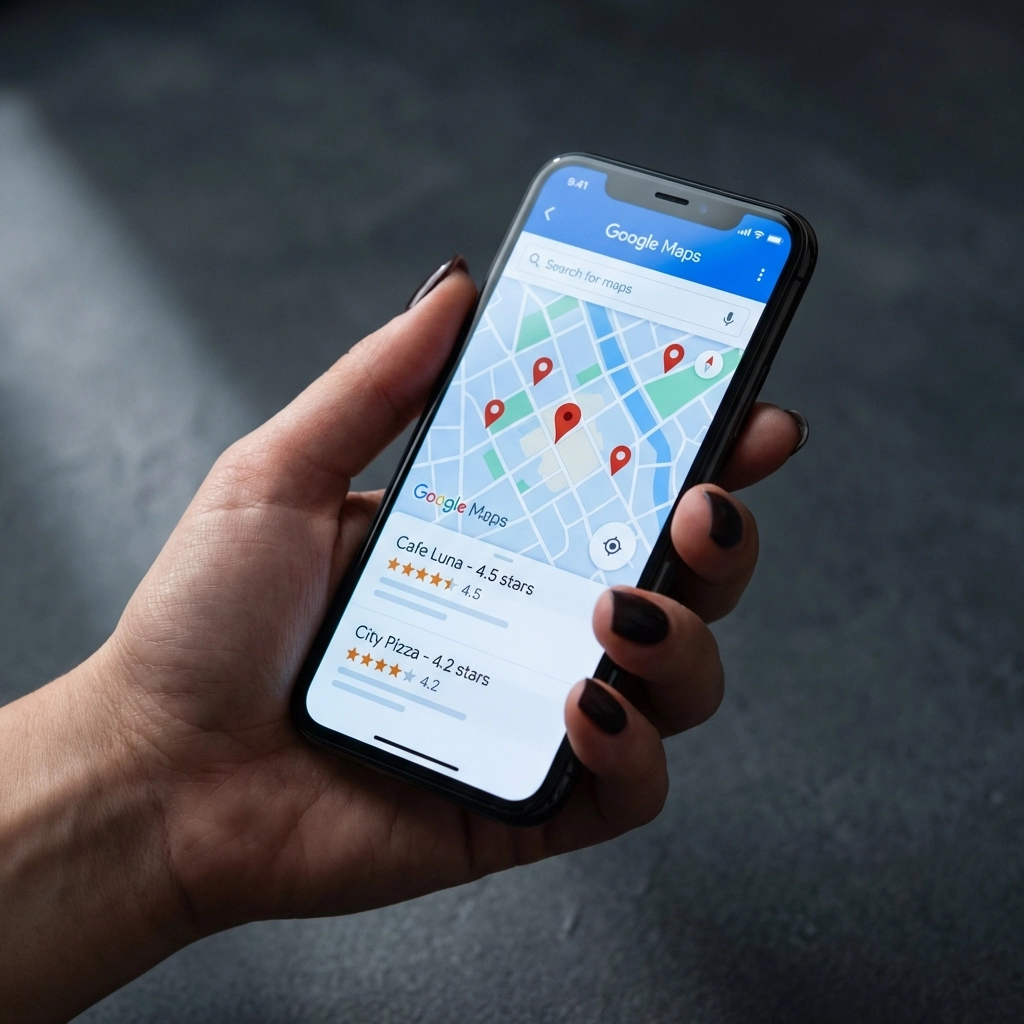
When someone searches for a real estate agent in your area, Google pulls up a map pack showing local options. Your GBP determines whether you show up there: and more importantly, whether someone clicks on your listing or scrolls past it.
Consider these facts:
- 46% of all Google searches have local intent
- 76% of people who search for something nearby visit a business within 24 hours
- Businesses with complete GBP listings are 2.7 times more likely to be considered reputable
For real estate agents, this is massive. Buyers and sellers often start their agent search with a quick Google lookup. If your profile looks abandoned, they’ll assume your business is too.
The Three Ways You’re Sabotaging Your Own Visibility
Let’s get specific about what’s going wrong with your profile: and why it matters.
1. No Regular Updates (The “Set It and Forget It” Trap)
You created your GBP years ago, filled in the basics, and haven’t touched it since. Sound familiar?
Google rewards active profiles. When you regularly post updates, add photos, and respond to reviews, Google interprets this as a sign that your business is legitimate and engaged. Profiles that sit dormant get pushed down in search results.
Here’s what happens when you don’t update:
- Your listing appears stale compared to competitors posting weekly
- Google may flag your business as potentially closed or inactive
- Customers see outdated photos and assume you’re not current with the market
- You miss opportunities to showcase recent sales, open houses, or market insights
Real estate is a relationship business. If your online presence looks neglected, potential clients will wonder if you’ll neglect them too.
2. Weak Descriptions (Your Elevator Pitch Is Failing)
Your business description is prime real estate (pun intended). It’s your chance to tell Google: and potential clients: exactly who you are and why they should choose you.
Yet most agents either leave this blank or write something generic like: “Full-service real estate agent helping buyers and sellers.”
That tells people nothing. It doesn’t differentiate you from the 50 other agents in your market.
A weak description fails because:
- It doesn’t include relevant keywords that help you rank for specific searches
- It doesn’t communicate your unique value proposition
- It doesn’t speak to your ideal client’s needs or concerns
- It reads like every other agent’s profile
Compare that generic description to this: “Helping first-time homebuyers navigate Brisbane’s competitive market since 2018. Specialising in inner-city apartments and family homes in the northern suburbs. Known for patient guidance, honest pricing advice, and weekend availability.”
See the difference? The second version tells you who they serve, where they work, how long they’ve been doing it, and what makes them different.

3. Missed Lead Opportunities (Money Left on the Table)
Your GBP isn’t just for visibility: it’s a lead generation tool. But if you’re not using its features properly, you’re leaving money on the table.
Here’s what you’re probably missing:
- Q&A section: Potential clients ask questions here. If they go unanswered, you look unresponsive: and someone else might answer them for you (not always accurately).
- Reviews without responses: Every review: positive or negative: deserves a reply. It shows you’re engaged and care about client feedback.
- Service listings: You can list specific services like buyer representation, property valuations, investment consulting, etc. These help you show up for more specific searches.
- Posts and updates: You can share open house announcements, market updates, new listings, and sold properties directly on your profile.
- Photos of your work: Not just your headshot: show properties you’ve sold, happy clients (with permission), your team, and local area highlights.
Each of these features is a touchpoint that could convert a searcher into a lead. If you’re ignoring them, your competitors aren’t.
How to Fix Your Profile This Week
Good news: turning around a neglected GBP doesn’t require hours of work. It requires consistency over time. Here’s your action plan.
Step 1: Audit Your Foundation (30 Minutes)
Start by fixing the basics:
| Element | What to Check |
|---|---|
| Business name | Use your actual name: no keyword stuffing like “Best Brisbane Real Estate Agent” |
| Address and phone | Ensure these match your website and other directories exactly |
| Hours | Update your availability, including holiday hours |
| Categories | Select “Real Estate Agent” as primary; add relevant secondary categories |
| Website link | Point to a relevant landing page, not just your homepage |
Pro tip: Google and random users can suggest edits to your profile. Check for unwanted changes weekly.
Step 2: Rewrite Your Description (15 Minutes)
Craft a description that includes:
- What you do and who you serve
- Your area of specialty (geographic and property types)
- How long you’ve been in business
- What makes you different from other agents
Keep it natural. Don’t stuff keywords awkwardly: write for humans first, search engines second.

Step 3: Add Visual Proof (20 Minutes)
Upload fresh photos that show you’re active and credible:
- Professional headshot
- Recent sold properties (exterior and interior shots)
- Open house events
- Local neighbourhood highlights
- Behind-the-scenes moments (staging, client meetings, etc.)
Avoid stock photos. Authenticity builds trust.
Step 4: Respond to Every Review
Go through your existing reviews and respond to each one: even the positive ones.
For positive reviews: Thank them specifically and mention something personal from the transaction.
For negative reviews: Stay calm, acknowledge their concern, and offer to discuss offline.
This shows potential clients you’re engaged and professional.
Step 5: Pre-Answer Common Questions
Use the Q&A section proactively. Add and answer questions yourself:
- “What areas do you cover?”
- “Do you work with first-time buyers?”
- “What are your fees?”
- “How quickly can you list my property?”
This removes friction for potential clients and positions you as helpful and transparent.
Your Weekly Maintenance Routine (30 Minutes)
Once you’ve fixed the foundations, maintain momentum with this simple weekly routine:
Every week:
- Check for profile edits and fix inaccuracies
- Reply to new reviews
- Post one update (market insight, new listing, sold property, or tip)
- Add 2-3 fresh photos
- Answer any new questions in the Q&A section
Monthly:
- Review your services list and update as needed
- Check competitor profiles to see what they’re doing well
- Refresh seasonal photos
- Update your description if your focus areas have changed

The Bottom Line
Your Google Business Profile is working for you 24/7: or it’s working against you. There’s no neutral ground.
A neglected profile tells potential clients you’re inactive, outdated, or worse: not serious about your business. An optimised, regularly updated profile tells them you’re engaged, professional, and ready to help.
The difference between agents who dominate local search and those who don’t isn’t perfection. It’s consistency.
Start this week. Fix your foundations, rewrite that weak description, and commit to 30 minutes of maintenance each week. Within a month, you’ll see the difference in your visibility: and your inbox.
Your next lead is already searching. Make sure they find you. Fix the problem
7 Real Estate Newsletter Content Mistakes To Avoid
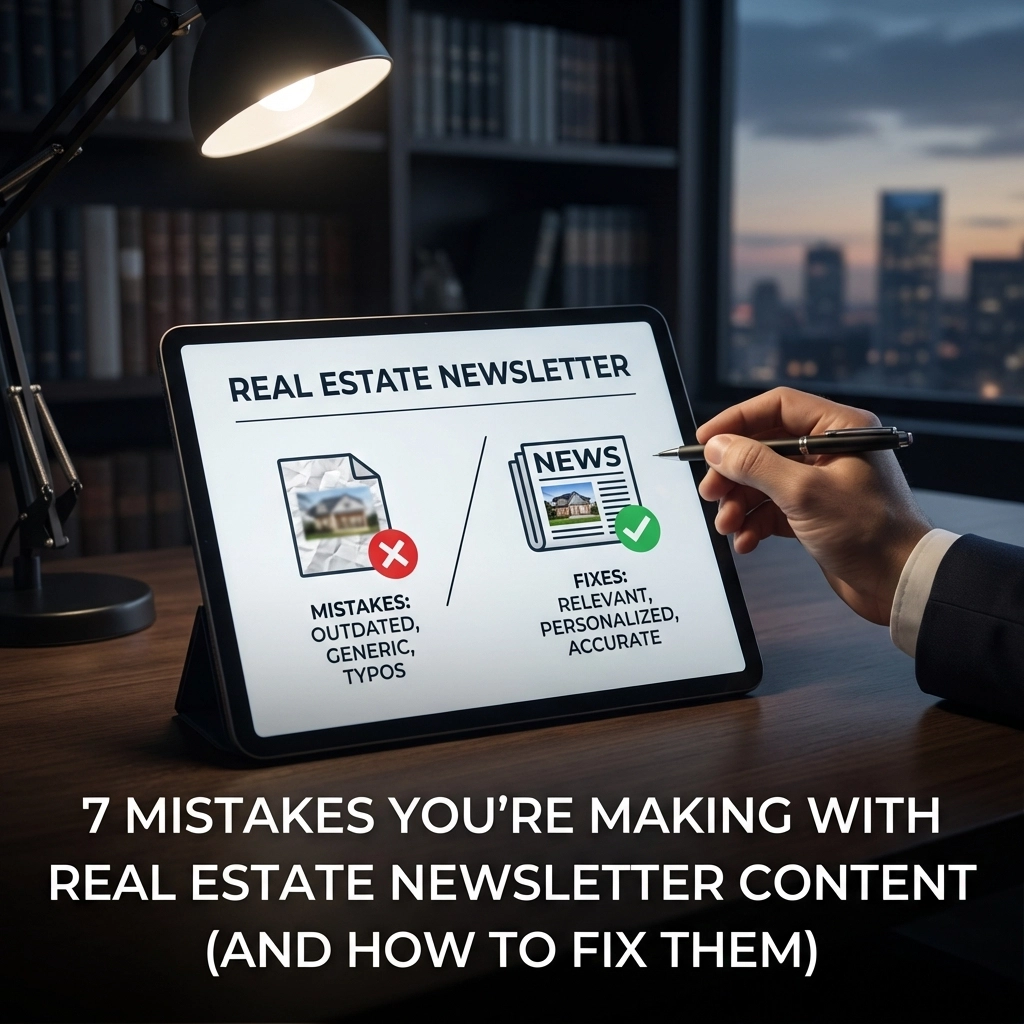
You’re sending newsletters religiously, but your phone isn’t ringing. Your open rates are dismal, and your unsubscribe rate keeps climbing. Sound familiar? Hmm you are committing the deadly real estate newsletter content mistakes!
Here’s the hard truth: most real estate agents are sabotaging their own newsletter success without even realizing it. You’re not alone: studies show that 73% of real estate professionals struggle with email marketing effectiveness, despite newsletters being one of the highest ROI marketing channels available.
The good news? These mistakes are completely fixable once you know what to look for. Let’s dive into the seven most common newsletter blunders that are costing you leads, and more importantly, how to turn things around starting today.
Real Estate Newsletter Content Mistakes #1: Sending Newsletters Without a Clear Purpose
The Problem: You’re treating your newsletter like a digital junk drawer, stuffing it with random property updates, market stats, and whatever content you found online that week.
Every newsletter you send should answer this question: “What specific action do I want my readers to take after reading this?” Without a clear purpose, your newsletter becomes noise in an already crowded inbox.
The Fix:
• Define a single primary goal for each newsletter edition
• Choose from these proven purposes:
- Generate seller leads (neighborhood market reports)
- Attract buyer inquiries (new listing showcases)
- Nurture past clients (home maintenance tips)
- Position yourself as the local expert (community news + insights)
• Craft every section around supporting that primary goal
• Include only content that moves readers toward your desired action
Pro Tip: Create a content calendar mapping each newsletter to a specific business objective. January might focus on seller leads with market forecasts, while March targets buyers with spring inventory updates.

Mistake #2: Inconsistent Sending Schedules That Confuse Your Audience
The Problem: You send three newsletters in one week when you’re motivated, then disappear for two months when business gets busy.
Inconsistency kills trust and engagement. Your subscribers forget who you are, and worse, they move on to agents who stay consistently visible in their inbox.
The Fix:
• Choose a realistic frequency you can maintain long-term:
- Weekly: High engagement but requires significant content
- Bi-weekly: Sweet spot for most agents
- Monthly: Minimum viable frequency for staying relevant
• Set a specific day and time (e.g., “First Tuesday of every month at 10 AM”)
• Batch create content during slow periods to maintain consistency during busy times
• Use scheduling tools to automate delivery and maintain your rhythm
Reality Check: It’s better to send a quality monthly newsletter consistently than to send sporadic weekly ones that fizzle out after two months.
Mistake #3: Treating All Subscribers the Same Way
The Problem: You’re sending the same generic content to first-time homebuyers, luxury sellers, and past clients from 2018.
This one-size-fits-all approach creates irrelevant content that feels impersonal and drives unsubscribes. Different people need different information at different stages of their real estate journey.
The Fix:
• Segment your list by these key categories:
- Active buyers (currently searching)
- Potential sellers (showed interest but haven’t listed)
- Past clients (closed transactions 1+ years ago)
- Sphere of influence (friends, family, professional contacts)
- Geographic focus (specific neighborhoods or price ranges)
• Create targeted content streams:
- Buyers get market trends and new listings
- Sellers receive neighborhood sales data and staging tips
- Past clients get home maintenance advice and referral requests
• Use simple tagging systems in your email platform to automate segmentation

Mistake #4: Generic Branding That Makes You Forgettable
The Problem: Your newsletter looks like it came from “[email protected]” with stock photos and templated content that could be from any agent in any city.
Real estate is a relationship business. Generic newsletters build zero relationships and position you as just another interchangeable service provider.
The Fix:
• Send from your personal name and professional email address
• Include your professional headshot in every newsletter
• Write in your authentic voice: if you’re naturally funny, be funny; if you’re data-driven, lead with statistics
• Share local insights only you would know:
- Which coffee shop just opened on Main Street
- Why traffic patterns changed after the new school was built
- Personal observations from your recent neighborhood walks
• Include your unique value proposition in your signature and bio sections
Example: Instead of “Market Update for January,” try “Why I’m Telling My Seller Clients to List Now (And You Should Know This Too)”
Mistake #5: Mobile-Unfriendly Formatting That Drives Readers Away
The Problem: Your newsletter looks perfect on your desktop but turns into an unreadable mess on smartphones: where 68% of emails are actually opened.
Poor mobile formatting is an instant credibility killer. Readers will unsubscribe rather than squint at tiny text or struggle with broken layouts.
The Fix:
• Use single-column layouts that stack naturally on mobile devices
• Keep subject lines under 50 characters for full mobile display
• Make buttons at least 44 pixels tall for easy thumb tapping
• Test every newsletter on your own phone before sending
• Use larger fonts (minimum 14px for body text)
• Optimize images to load quickly on mobile connections
Mobile-First Checklist:
- ✓ Can you read everything without zooming?
- ✓ Are links and buttons easily tappable?
- ✓ Do images display properly and load quickly?
- ✓ Is the most important information visible without scrolling?

Mistake #6: Weak Subject Lines That Get Ignored
The Problem: You’re using boring, generic subject lines like “Monthly Newsletter” or “Market Update” that blend into the sea of promotional emails.
Your subject line is your only chance to grab attention in a crowded inbox. If it doesn’t spark curiosity or promise value, your newsletter dies before it’s even opened.
The Fix:
• Create urgency without being sleazy:
- “3 homes sold on your street this week”
- “Interest rates dropped: here’s what it means for you”
• Use numbers and specifics:
- “7 staging mistakes that cost sellers $30K”
- “How Sarah saved $15,000 on her home purchase”
• Ask compelling questions:
- “Is your home worth more than you think?”
- “Ready to sell before spring rush?”
• Preview text optimization: Write the first 35-50 characters of your newsletter to complement your subject line, as this appears in email previews
A/B Testing Tip: Try sending the same newsletter with two different subject lines to small segments, then use the winner for your full list.
Mistake #7: Confusing Calls-to-Action That Lead Nowhere
The Problem: Your newsletter either has no clear next step, or it’s buried under vague language like “Contact me for more information.”
Every newsletter should guide readers toward a specific action. Confused readers take no action, and leads slip away to competitors with clearer messaging.
The Fix:
• Include one primary call-to-action per newsletter that’s impossible to miss
• Make benefits crystal clear:
- Instead of: “Schedule a consultation”
- Try: “Get your free home value report (takes 2 minutes)”
• Test every link before sending: broken links kill conversions instantly
• Use action-oriented language:
- “Download your buyer’s guide”
- “See what your neighbor’s home sold for”
- “Get pre-approved in 24 hours”
• Create landing pages specific to your newsletter campaigns rather than sending everyone to your generic website
Link Strategy: Each newsletter should have one main call-to-action button/link, plus 2-3 secondary options for different reader interests.
Your Next Steps: Turning These Fixes Into Results
Now that you know what’s been sabotaging your newsletter success, here’s your action plan:
Week 1: Audit your last three newsletters against these seven mistakes
Week 2: Choose your primary fix (start with purpose and consistency)
Week 3: Segment your list and plan targeted content
Week 4: Implement mobile optimization and test on multiple devices
Remember: you don’t need to fix everything at once. Pick the mistake that resonates most with your current struggles and focus there first. Small improvements compound over time into significant results.
The agents who master newsletter marketing don’t just stay top-of-mind: they become the obvious choice when their subscribers are ready to buy or sell. Your inbox success starts with eliminating these seven mistakes, one fix at a time.
Ready to transform your newsletter from a lead-killer into a lead-generator? Start with mistake #1 and work your way through the list. Your future clients are waiting in their inboxes: make sure your newsletter gives them a reason to reach out.
Cold Calling Vs Real Estate Newsletter Marketing: Which Generates Better Leads for New Agents?
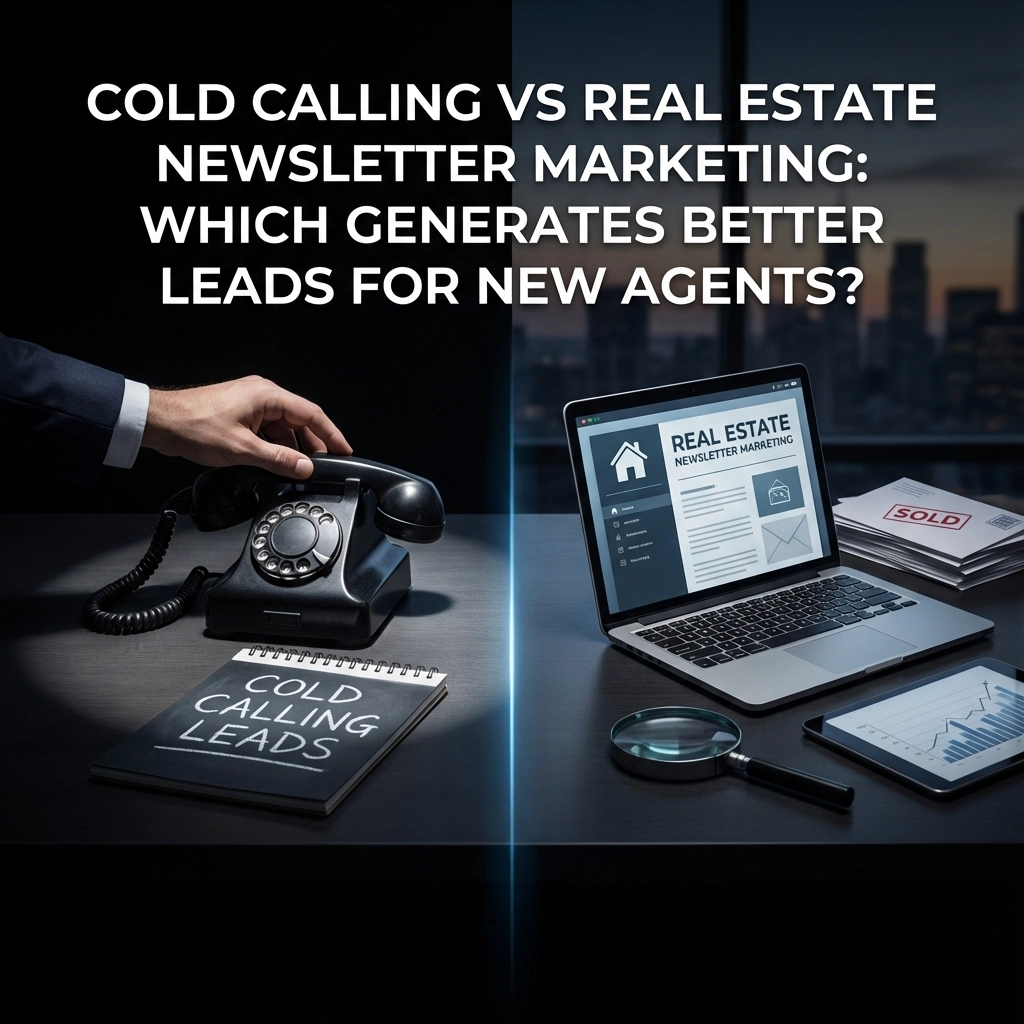
As a new real estate agent, you’re likely drowning in advice about lead generation. Every seasoned agent, broker, and marketing guru has their opinion on the “best” method to build your pipeline. Two strategies consistently emerge at the top of these conversations: traditional cold calling vs real estate newsletter marketing.
But here’s the million-dollar question: Which approach actually delivers better results for agents just starting out?
The answer isn’t as straightforward as you might think. Both methods have their merits, and the “winner” largely depends on your personality, budget, and long-term business goals. Let’s break down the real data, costs, and practical implications of each approach so you can make an informed decision for your real estate career.
The Cold Calling Reality Check: What the Numbers Actually Say
Cold calling remains one of the most debated prospecting methods in real estate. While some agents swear by it, others consider it outdated. Here’s what the research reveals about cold calling effectiveness:
The Success Rate Reality:
- Average cold calling success rate: 4.8%
- Agents making 20+ daily calls achieve 10-20% annual success rates
- Cold calling ranks as the second most effective prospecting technique at 57.1% (after referrals at 92.8%)
- 50% of real estate leads come from cold calling or direct mail marketing

The Persistence Factor:
Here’s where most new agents get discouraged: it typically takes around eight cold call attempts to reach a single prospect. This means for every person you actually speak with, you’ll likely encounter seven voicemails, hang-ups, or no-answers.
What Makes Cold Calling Work:
- Immediate interaction allows you to gauge interest and adapt your pitch in real-time
- Voice connection creates personal rapport: tone of voice accounts for 93% of cold call success
- Cost-effectiveness compared to paid advertising channels
- High follow-up success rate: 68% of real estate professionals report successful follow-ups after initial cold calls
Newsletter Marketing: The Long-Term Relationship Builder
While cold calling focuses on immediate connection, newsletter marketing takes a completely different approach. Instead of interrupting prospects, you’re providing value and building relationships over time.
The Newsletter Advantage:
- Permission-based marketing means prospects actually want to hear from you
- Scalability allows you to nurture hundreds of leads simultaneously
- Automation capabilities let you work while you sleep
- Content serves multiple purposes: newsletters can be repurposed for social media, blog posts, and client communications
The Trust-Building Factor:
Newsletter marketing excels at establishing expertise and maintaining top-of-mind awareness. When someone subscriptions to your newsletter, they’re essentially saying, “I’m interested in what you have to offer.” This makes the eventual sales conversation significantly easier.
Measurable Results:
Unlike cold calling, newsletter marketing provides detailed analytics:
- Open rates (industry average: 20-25% for real estate)
- Click-through rates
- Subscriber growth
- Conversion tracking from email to appointment

Cost Comparison: Which Method Fits Your Budget In Cold Calling Vs Real Estate Newsletter Marketing?
Cold Calling Costs:
- Phone service: $30-50/month for unlimited calling
- Lead lists: $0.10-0.50 per contact
- CRM system: $25-100/month
- Time investment: 2-4 hours daily for meaningful results
- Monthly total: $100-300
Newsletter Marketing Costs:
- Email platform: $20-100/month (depending on subscriber count)
- Design tools: $10-20/month
- Content creation: $200-500/month (if outsourced)
- Lead magnets: $50-200 for professional design
- Monthly total: $280-820
The Hidden Costs:
Cold calling’s biggest cost isn’t monetary: it’s emotional. The rejection rate can be mentally exhausting for new agents. Newsletter marketing requires consistent content creation, which can be time-consuming if you’re doing it yourself.
Time Investment: Immediate vs. Long-Term Payoff
Cold Calling Time Commitment:
- Daily requirement: 2-4 hours for effective results
- Immediate feedback: You’ll know within minutes if a prospect is interested
- Quick wins possible: Can schedule appointments the same day
- Skill development: 30-90 days to become proficient
Newsletter Marketing Timeline:
- Setup phase: 2-3 weeks to create systems and initial content
- Daily maintenance: 30-60 minutes for ongoing content and list management
- Results timeline: 3-6 months to see significant lead generation
- Compound effect: Results improve dramatically over time as your list grows

ROI Analysis: Which Strategy Delivers Better Returns?
Cold Calling ROI:
With a 4.8% average success rate and assuming you can make 50 calls daily:
- 50 calls × 4.8% = 2.4 interested prospects daily
- 2.4 prospects × 20 working days = 48 monthly prospects
- If 10% convert to listings/sales: 4.8 transactions monthly
Newsletter Marketing ROI:
Starting with 100 subscribers and growing by 50 monthly:
- Month 1: 100 subscribers
- Month 6: 350 subscribers
- Month 12: 700 subscribers
- With 2% monthly conversion rate: 14 leads by month 12
The Winner? Cold calling typically delivers faster initial results, while newsletter marketing provides better long-term ROI and scalability.
Personality Fit: Which Approach Matches Your Style?
Cold Calling Vs Real Estate Newsletter Marketing:
Cold Calling Success Traits:
- High resilience to rejection and criticism
- Strong verbal communication skills
- Persistence and consistency in daily activities
- Comfort with confrontation and objection handling
- Energy for high-activity prospecting
Newsletter Marketing Success Traits:
- Writing ability and content creation skills
- Strategic thinking for long-term relationship building
- Technical comfort with email platforms and analytics
- Patience for gradual result building
- Creative mindset for engaging content development
The Hybrid Approach: Why Successful Agents Use Both
The most successful new agents don’t choose between cold calling and newsletter marketing: they use both strategically:
Month 1-3: Cold Calling Focus
- Generate immediate leads and cash flow
- Build confidence through direct prospect interaction
- Develop market knowledge through conversations
- Create initial subscriber base for newsletters
Month 4+: Integrated Approach
- Continue selective cold calling for immediate needs
- Use newsletter marketing for long-term relationship building
- Convert cold calling prospects into newsletter subscribers
- Leverage newsletter content to warm up cold calling lists

Practical Implementation: Getting Started Today
If You Choose Cold Calling:
- Invest in quality lead lists from reputable sources
- Practice your scripts until they sound natural
- Track your numbers obsessively: calls made, contacts reached, appointments set
- Set daily activity goals and stick to them religiously
- Develop thick skin and celebration rituals for small wins
If You Choose Newsletter Marketing:
- Choose an email platform (Mailchimp, Constant Contact, or ConvertKit)
- Create a compelling lead magnet (market reports, buyer guides, neighborhood information)
- Develop content themes (market updates, home maintenance tips, local events)
- Set up automation sequences for new subscribers
- Promote your newsletter through social media and your website
The Bottom Line: What Works Best for New Agents?
For most new real estate agents, cold calling provides the fastest path to your first commission check. The immediate feedback and potential for same-day appointments make it ideal when you need quick cash flow.
However, newsletter marketing offers better long-term business building potential. Once established, it provides consistent lead flow with less daily effort and better profit margins.
The Smart Strategy: Start with cold calling for immediate results while simultaneously building your newsletter marketing system. As your newsletter gains traction and your financial pressure decreases, you can gradually shift more effort toward relationship marketing.
Remember, the best lead generation method is the one you’ll actually execute consistently. Choose the approach that matches your personality, budget, and immediate business needs: then commit to mastering it before adding complexity.
Your real estate success isn’t determined by choosing the “perfect” lead generation method. It’s built by consistently executing whatever method you choose with professional excellence and genuine care for your prospects’ needs.

The Ultimate Guide to Real Estate Agent Lead Generation: Everything You Need to Succeed in 2026
Real estate agent lead generation has fundamentally changed. 28% of agents prioritize selling more homes, 19% focus on increasing referrals, and 14% want to generate more leads: but most are using outdated strategies that worked five years ago.
The agents crushing it in 2026 aren’t relying on a single magic bullet. They’re building integrated systems that combine digital presence, personal relationships, and AI efficiency to create consistent lead flow month after month.
Whether you’re a new agent struggling to get your first listing or a veteran looking to scale, this guide breaks down exactly what’s working right now.
Digital Real Estate Agent Lead Generation: Your 24/7 Sales Machine
Website & SEO Optimization
Your website needs to work harder than ever. Neighborhood-specific landing pages are absolutely crushing it right now. Create dedicated pages for each area you serve, packed with local market data, school information, and community highlights.
Here’s what converts:
• Weekly market update blogs featuring price trends and neighborhood spotlights
• IDX-integrated home search that captures visitor information before showing full details
• Downloadable buyer/seller guides in exchange for email addresses
• Live chat functionality for real-time engagement
• Virtual tour galleries of past listings to showcase your marketing skills

Optimize for “near me” searches by including service areas prominently throughout your site. Retargeting pixels keep you top-of-mind with visitors who didn’t convert immediately.
Social Media Marketing That Actually Converts
Stop posting random listing photos and start building a content system. High-quality photos and virtual tours are just the baseline: you need strategic variety.
Content that generates leads:
• Speed tours of new listings (60-second Instagram Reels)
• Before-and-after transformation stories
• Client testimonial videos
• Live Q&A sessions about buying/selling processes
• Behind-the-scenes content that builds personal connection
Targeted Facebook and Instagram ads reach people actively searching for homes in specific areas. But here’s the key: don’t just promote listings. Promote your expertise with market reports, neighborhood guides, and first-time buyer workshops.
Email & CRM Automation
Automated drip campaigns are non-negotiable in 2026. Set up sequences based on specific interests: buyers get different content than sellers or investors.
High-performing email campaigns:
• Segmentation by life stage: downsizing, first-time buying, investment opportunities
• Lead scoring that prioritizes follow-up with most engaged prospects
• Anniversary emails on past clients’ home purchase dates
• Personalized video greetings for birthdays and holidays
• Market condition alerts when prices drop in their areas of interest
Your CRM should automatically track engagement and trigger the next touchpoint. If someone opens three emails about investment properties, they get added to your investor nurture sequence.

Paid Advertising: High-Intent Prospects
Google Ads capture prospects at the exact moment they express interest. These high-intent keywords reach potential clients actively searching for solutions, making them incredibly valuable leads with measurable ROI; essential in real estate agent lead generation 2026.
Focus on:
• Local buying/selling keywords (“homes for sale in [city]”)
• Problem-solving searches (“how to sell house fast”)
• Neighborhood-specific queries (“[neighborhood] real estate agent”)
Facebook lead generation ads work best when targeting specific demographics in your farm area with compelling property showcases or exclusive market reports.
AI-Enhanced Real Estate Lead Generation: The Competitive Advantage
AI predictive analytics identify homeowners most likely to sell based on life events, equity position, expired listings, and current market conditions. This isn’t science fiction: it’s happening right now.
AI tools that generate real leads:
• 24/7 chatbots that qualify leads, answer questions, and schedule appointments
• AI-powered content creation for personalized property descriptions and social media posts
• Voice assistants for follow-up calls that handle initial qualification
• Predictive lead scoring analyzing behavioral patterns across your database
• AI-generated virtual staging transforming empty rooms into furnished showcases
AI-powered video personalization automatically inserts prospect names and property details into marketing videos. Imagine sending a personalized video tour of a property with the prospect’s name in the opening frame.

Traditional Networking: Still Essential in 2026
Digital doesn’t replace relationships: it amplifies them. In-person events where agents, investors, and wholesalers connect remain gold mines for quality leads.
High-ROI networking opportunities:
• Local meetups and conferences (Inman Connect, NAR Conference)
• Community events like home expos and charity fundraisers
• Neighborhood coffee meetups discussing market trends
• Builder partnerships for new construction referrals
• Facebook and LinkedIn groups where agents share leads and insights
Even with digital advancement, offline networking builds genuine relationships that lead to consistent referrals. The key is strategic follow-up that moves online connections into real business.
Direct Outreach: Proactive Real EstateLead Generation
With accurate contact data, you can reach potential sellers before they list their homes. This proactive approach consistently generates exclusive leads that competitors never see.
Effective outreach strategies:
• Calling or texting homeowners in high-activity neighborhoods
• Personalized emails to owners thinking about selling
• Direct mail campaigns to areas with recent sale activity
• Social media messaging to expired listing owners
• Video messages for warm introductions
The key is providing immediate value: market updates, neighborhood insights, or exclusive off-market opportunities: rather than generic sales pitches.

Follow-Up: Converting Contacts to Clients
Meeting people is step one. Following up turns connections into actual business. Most agents fail here because they lack a systematic approach to nurturing relationships over time.
High-converting follow-up tactics:
• Quick texts or emails within 24 hours of meeting someone
• Value-driven content sharing useful resources and market updates
• Scheduled check-ins that can lead to deals, partnerships, or referrals
• CRM-based automation maintaining consistent touchpoints
• Engagement-based prioritization focusing energy on most responsive prospects
Pro tip: Track every interaction in your CRM and set automatic reminders for follow-up. The fortune is in the follow-up, but only if you actually do it consistently.
Your 2026 Action Plan
Start with one strategy from each category rather than trying to implement everything at once. Pick the tactics that align with your strengths and market conditions.
Week 1-2: Set up basic CRM automation and create neighborhood-specific landing pages
Week 3-4: Launch one social media campaign and implement website chat functionality
Week 5-6: Begin direct outreach in your target neighborhoods
Week 7-8: Add AI tools for lead qualification and content creation
Track everything. What gets measured gets improved. Your lead generation system should produce predictable results that you can scale month after month.
The agents dominating 2026 aren’t using secret tactics: they’re executing proven strategies with systematic consistency. Your competition is still posting random listing photos on social media while you’re building a lead generation machine that works around the clock.